
Cost-Benefit Medication Calculator
How to Use This Calculator
This tool helps you assess whether the benefits of an expensive medication outweigh its costs and side effects for your specific situation.
Input Your Situation
Results
What This Means
A positive score indicates the benefits outweigh the costs and side effects. A negative score means the treatment is not cost-effective for your situation. This tool helps you have informed conversations with your doctor about whether expensive treatments make sense for your specific circumstances.
When a medication costs more than a car, or even a year’s rent, it’s natural to ask: is this worth it? Especially when the side effects are brutal - fatigue so deep you can’t get out of bed, nausea that lasts for weeks, or immune reactions that land you in the hospital. Yet, for thousands of people, these drugs are the only thing standing between them and death, or a life of constant pain. This isn’t about greed or corporate profits. It’s about a brutal, real-world math: when does the benefit outweigh the cost - and the suffering?
Why Some Drugs Cost So Much
Not all expensive drugs are created equal. The 50 most costly medications covered by U.S. Medicare in 2023 averaged over $16,000 per dose. About 62% of them are biologics - drugs made from living cells, not chemicals. These aren’t pills you pick up at your corner pharmacy. They’re complex, hard to replicate, and often require special handling and administration. Many target rare diseases - conditions that affect fewer than 200,000 Americans. Because so few people need them, the cost to develop and produce each dose gets spread across a tiny patient base. The result? A single treatment can hit $500,000 or more. Cancer drugs, autoimmune therapies, and gene treatments dominate this space. For example, CAR-T cell therapy like tisagenlecleucel costs $475,000 per infusion. It’s not a cure-all. Patients often spend days in the hospital dealing with cytokine release syndrome - a dangerous immune overreaction. But for those with late-stage leukemia who’ve run out of options, it’s the difference between months of pain and years of remission.The Hidden Cost of Side Effects
Side effects aren’t just annoying. They’re expensive. A drug that causes severe nausea might mean you can’t work for two weeks. One that lowers your white blood cell count could land you in the ER with an infection. These aren’t rare events - they’re built into the treatment plan. Take hepatitis C. A decade ago, treatment meant weekly injections of interferon. Patients got fever, chills, depression, and extreme fatigue. Cure rates? Around 50%. Today, a 12-week course of Harvoni costs about $7,000 out-of-pocket for many. But it’s a pill. No injections. No hospital visits. And it cures 95% of people. The side effects? Mild headache or tiredness. The value isn’t just in survival - it’s in returning to normal life. For someone with hemophilia, emicizumab costs $15,000 a month. But before this drug, they needed infusions three times a week to prevent bleeding. Many ended up with permanent joint damage. Now, they get one shot a week. Fewer bleeds. Less pain. Fewer surgeries. The side effects? Headaches, joint pain, occasional blood clots. For many, it’s a fair trade.When the System Fails Patients
The problem isn’t just the price tag. It’s the system that makes you jump through hoops just to get the drug you need. Most insurance plans require step therapy - you have to try cheaper drugs first, even if they don’t work. That can mean months of trial and error. Then there’s prior authorization. Your doctor submits paperwork. The insurance company takes 7 to 14 days to respond. If they say no, you start over. Medicare Part D’s coverage gaps - the infamous "donut hole" - hit hard. In 2021, over 2.3 million beneficiaries hit this gap. One patient on Revlimid, a multiple myeloma drug, paid $11,538 out-of-pocket in 2016. Over 75% of that came after they’d already spent their annual limit. Many skip doses. Some choose between medicine and food. A 2022 survey found 42% of patients on drugs over $10,000 a month made that choice.
Who Gets to Decide What’s Worth It?
In Canada, the UK, and Germany, government agencies review every new drug. They ask: does it add real value? How much does it cost per extra year of healthy life? In the UK, if a drug costs more than £30,000 per quality-adjusted life year (QALY), it’s usually rejected. Daratumumab, a multiple myeloma drug, was denied by NICE in 2016 because its price was £120,000 per QALY. After negotiations, the price dropped. It was approved. The U.S. has no such system. Drugmakers set prices. Insurers negotiate behind closed doors. Rebates are hidden. The list price you see? Often not what anyone pays. The Congressional Budget Office says rebates reduce costs significantly - but we don’t know by how much. That means patients, doctors, and even insurers are flying blind. A 2024 study found that 56% of the 50 most expensive U.S. drugs were rated as having low or no additional benefit by independent European health agencies. Yet they’re still sold here at full price.When It’s Worth It - Real Stories
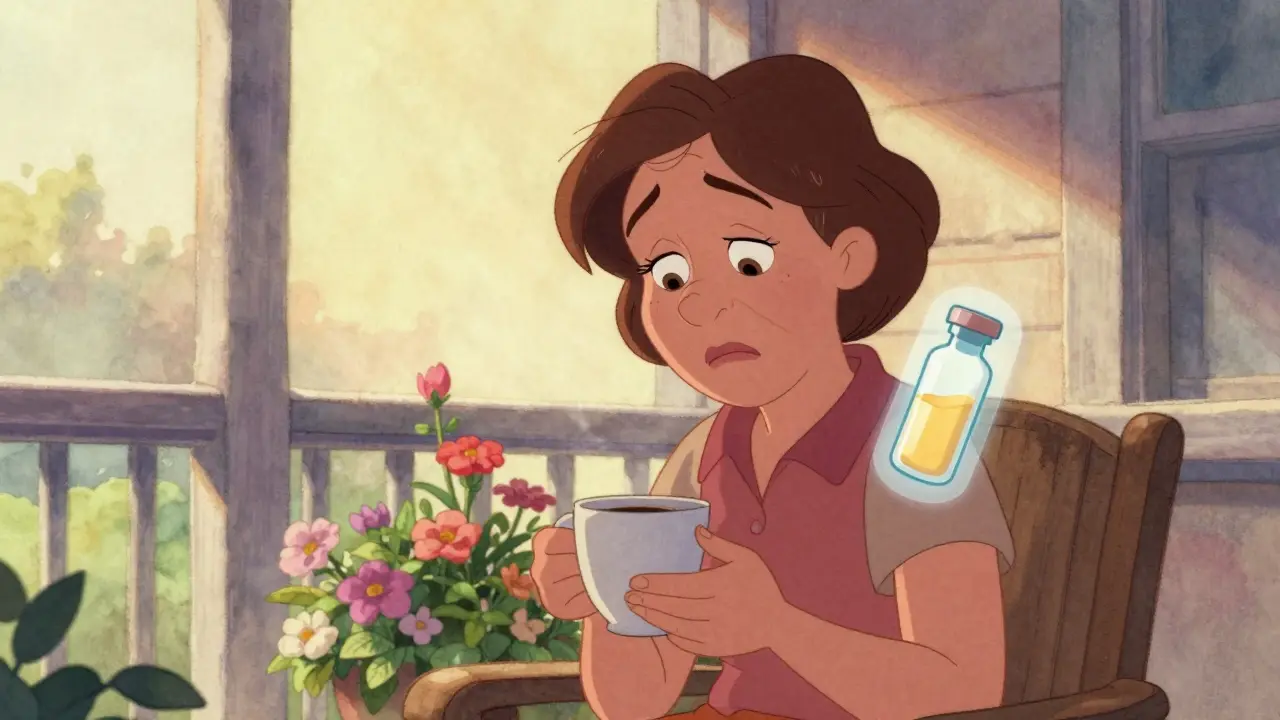
There are moments when the math changes. A 58-year-old woman in Edmonton with advanced rheumatoid arthritis tried every oral drug. None worked. Her joints were crumbling. She couldn’t hold a coffee cup. Her doctor offered a biologic that cost $18,000 a month. Side effects? Risk of serious infection, occasional fever. She said yes. Six months later, she was gardening again. Walking without pain. She still pays $3,000 a month after insurance. But she’s alive - and active. A teenager with a rare genetic disorder had seizures every day. Standard meds didn’t touch them. A gene therapy was approved - $3 million one-time cost. His family fought for coverage. Took two years. He got the treatment. Now, he has one seizure every six months. He’s in school. He plays video games. He sleeps through the night. These aren’t outliers. They’re the reason these drugs exist.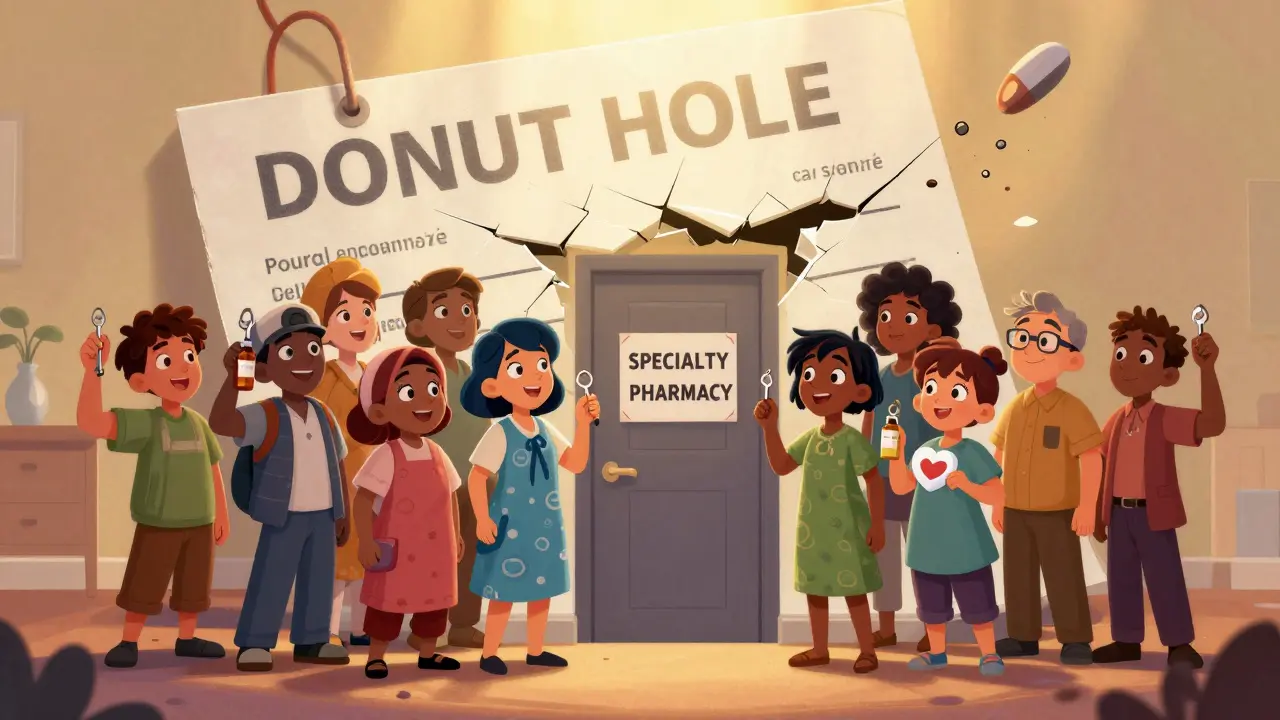
How to Navigate the System
If you’re facing a high-cost drug, here’s what actually works:- Ask for a patient assistance program. Most drugmakers offer them. On average, they cover 40% of out-of-pocket costs for commercially insured patients.
- Use a specialty pharmacy. They don’t just fill prescriptions. They assign case managers who handle prior authorizations, appeals, and financial aid applications. They spend over 3 hours per patient.
- Know your insurance phases. Medicare Part D has four stages: deductible, initial coverage, donut hole, catastrophic. Once you hit catastrophic, you pay only 5% of the cost. That’s a lifeline.
- Check independent foundations. The Chronic Disease Fund gave out $2.1 billion in aid in 2022. Organizations like NeedyMeds and Patient Access Network Foundation help with copays.
- Ask your doctor for alternatives. Not all expensive drugs are the only option. Sometimes a different biologic, or even an older drug used off-label, gives similar results at a fraction of the cost.
The Bigger Picture
The U.S. spends more on prescription drugs than any other country. In 2022, specialty drugs - just 3% of all prescriptions - made up 54% of pharmacy spending. By 2030, that number could hit 79%. The Inflation Reduction Act of 2022 started the first-ever Medicare drug price negotiations in 2024. But here’s the catch: 96% of the most expensive drugs are still excluded because they’re too new, too rare, or don’t meet the criteria. The real change won’t come from government alone. It will come from patients demanding transparency. From doctors refusing to prescribe drugs with no proven value. From insurers demanding real data before paying millions. The question isn’t whether expensive drugs should exist. It’s whether we’re paying for real benefit - or just hype.For some, the answer is clear: the cost is high, the side effects are real - but the alternative is worse. And sometimes, that’s enough.
Are expensive medications always worth the cost?
No. Many high-cost drugs offer little to no improvement over cheaper alternatives. Studies show that nearly half of new drugs approved in recent years provide only marginal benefits. But for patients with rare diseases, advanced cancer, or conditions where no other treatment works, these drugs can be life-changing. The key is matching the drug to the patient’s specific needs - not just the price tag.
Why do some drugs cost millions while others are cheap?
It’s mostly about how many people need the drug. A drug for a condition affecting 1 in 100,000 people has to recover its research and production costs from a tiny group. That drives the price up. Drugs for common conditions like high blood pressure or diabetes are made in huge batches, so the cost per pill is low. Gene therapies and biologics are also extremely complex to produce, which adds to the price.
Can I get financial help to afford an expensive drug?
Yes. Most drug manufacturers offer patient assistance programs that can cover a large portion of your costs. Independent foundations like the Chronic Disease Fund and Patient Access Network Foundation also provide copay aid. Specialty pharmacies often have case managers who help you apply for these programs. Don’t assume you can’t afford it - many patients pay far less than the list price.
What if my insurance denies coverage for a drug I need?
Denials are common, but they’re not final. Your doctor can file an appeal with medical records showing why cheaper drugs failed. You can also request an external review. Many patients succeed on the second try, especially with support from a specialty pharmacy or patient advocate. Don’t give up after the first no.
How do I know if a drug’s side effects are worth the risk?
Talk to your doctor about what "success" looks like for you. Is it living without pain? Avoiding hospital visits? Living another year? Compare the side effects to your current condition. If you’re in constant pain or at risk of organ failure, the side effects of a new drug may be manageable in comparison. Ask for data - not just from clinical trials, but from real patients. Online communities and patient registries can give you honest experiences.
Are there cheaper alternatives to expensive biologics?
Sometimes. Biosimilars - cheaper versions of biologics - are now available for some drugs like Humira and Enbrel. They’re not identical, but they work similarly and cost 15-35% less. Ask your doctor if a biosimilar is an option. Also, some older, off-label drugs may provide similar benefits at a fraction of the cost. Don’t assume the newest, most expensive option is the only one.
Next steps: If you’re considering a high-cost medication, start by asking your doctor for the clinical evidence behind it. Then contact your insurer and ask for a cost estimate under your plan. Finally, reach out to a specialty pharmacy - they’ll guide you through financial aid options. You don’t have to navigate this alone.
Uzoamaka Nwankpa
January 5, 2026
The system is rigged, and nobody wants to admit it. People die because corporations decide who lives based on profit margins, not medical need.
Vicki Yuan
January 5, 2026
I’ve been on a $22K/month biologic for three years. Yes, I get fatigue. Yes, I’ve had two hospitalizations from infections. But I can hold my daughter again. That’s worth every penny - and every nightmare. The real tragedy isn’t the cost. It’s that so many never even get the chance to try.
jigisha Patel
January 5, 2026
Let’s be precise: the average cost per QALY for the top 50 U.S. specialty drugs is $527,000, whereas NICE’s threshold is £30,000 (~$38,000). The discrepancy isn’t accidental - it’s structural. The U.S. healthcare system functions as a wealth-transfer mechanism from patients to shareholders. The data is unambiguous.
Jason Stafford
January 7, 2026
They’re not drugs - they’re weapons. Big Pharma knows if they make something that actually cures a disease, they lose the customer. That’s why they keep tweaking molecules just enough to get new patents. The side effects? That’s just the cost of keeping you hooked. Wake up.
Michael Rudge
January 7, 2026
Oh wow, a 58-year-old woman decided to spend $3,000 a month on a drug so she could garden? How noble. Meanwhile, I’m over here paying $800 for insulin because I don’t have a ‘noble’ story to tell. Some of us aren’t lucky enough to have a ‘worth it’ diagnosis.
Cassie Tynan
January 8, 2026
It’s not about whether the drug is worth it - it’s about whether society is worth it. We let pharmaceutical CEOs buy private islands while people choose between medicine and rent. The math is simple: we value profit more than life. And that’s not a tragedy. It’s a policy choice.
Catherine HARDY
January 8, 2026
Did you know that 70% of the R&D costs for these drugs are funded by taxpayer money through NIH grants? Then the companies take the patent, jack up the price, and act like they invented it from scratch? This isn’t capitalism. It’s theft with a white coat.
bob bob
January 10, 2026
I work in oncology. I’ve seen people cry because they can’t afford a drug that gives them six more months. I’ve also seen them get it - and live to see their grandkid’s first birthday. The system sucks. But the drugs? Sometimes they’re the only light left in the room. Don’t dismiss the hope just because the price tag hurts.
Chris Cantey
January 11, 2026
There’s a quiet horror in the fact that we’ve normalized paying $500,000 for a single infusion. We don’t ask why. We just accept it. Like it’s just another bill. But it’s not. It’s the price of a society that has stopped believing in collective care. We’ve turned healing into a luxury auction.
Abhishek Mondal
January 12, 2026
Actually, the premise is flawed: biosimilars are not 'cheaper versions' - they're structurally similar but not identical, and their efficacy varies by 15-30% in real-world cohorts, per JAMA 2023 meta-analysis. Also, off-label use of older drugs often leads to increased hospitalization rates - so the 'cost savings' are illusory. The real issue? Lack of comparative effectiveness research.
Oluwapelumi Yakubu
January 12, 2026
My cousin in Lagos got a gene therapy last year - paid for by a Nigerian NGO that partnered with a U.S. lab. They flew her over, covered everything. She’s now running a small bakery. The world is broken, yes - but people still find ways to stitch it back together. Don’t forget that part of the story.