Fixed-dose combination drugs: what they are and why they exist
Fixed-dose combination drugs combine multiple medications into one pill to simplify treatment and improve adherence. Learn about their benefits, risks, and regulatory standards.
Wrong-dose errors with liquid medications are common and dangerous, especially for children. Learn how using oral syringes, metric-only labeling, and clear communication can prevent life-threatening mistakes at home and in healthcare settings.
Learn how to build a simple home medication storage checklist to prevent accidents, keep meds effective, and protect kids and seniors. Includes where to store, how to lock up, track expiration, and safely dispose of old pills.
Recognizing signs of pediatric medication overdose can save a child's life. Learn the key symptoms, when to call Poison Control, and how to prevent accidental overdoses at home.
In 2025, major health agencies released critical updates to medication safety guidelines. From new hazardous drug lists to mandatory dosing checks, these changes are reshaping how drugs are handled, prescribed, and monitored-saving lives one step at a time.
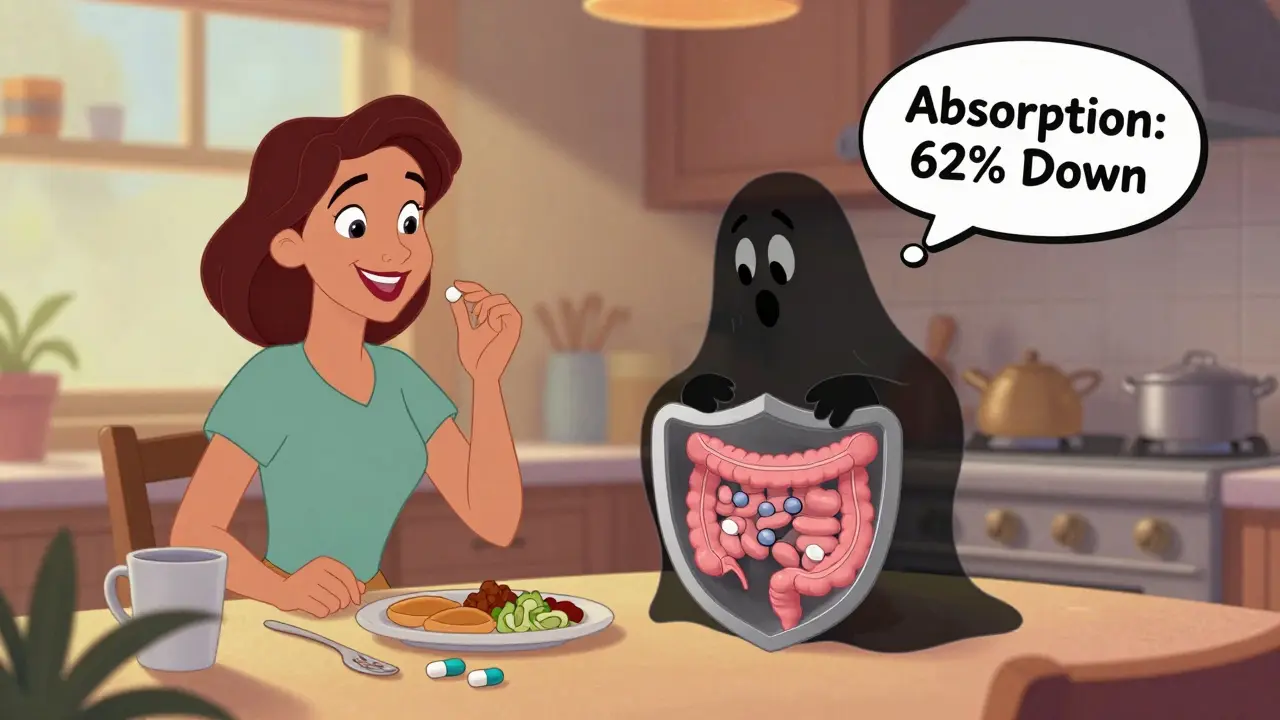
Calcium and iron supplements can block the absorption of antibiotics, thyroid meds, and even each other. Learn how timing, dosage, and food choices affect your health-and how to fix it.
Generic drugs are just as safe and effective as brand-name medications, but many patients still have doubts. This guide answers the most common concerns about generics, from effectiveness and cost to safety and side effects, backed by FDA data and medical consensus.
Learn exactly what the FDA requires for stability testing of generic drugs, from batch requirements and storage conditions to common reasons for rejection and upcoming changes in 2025.
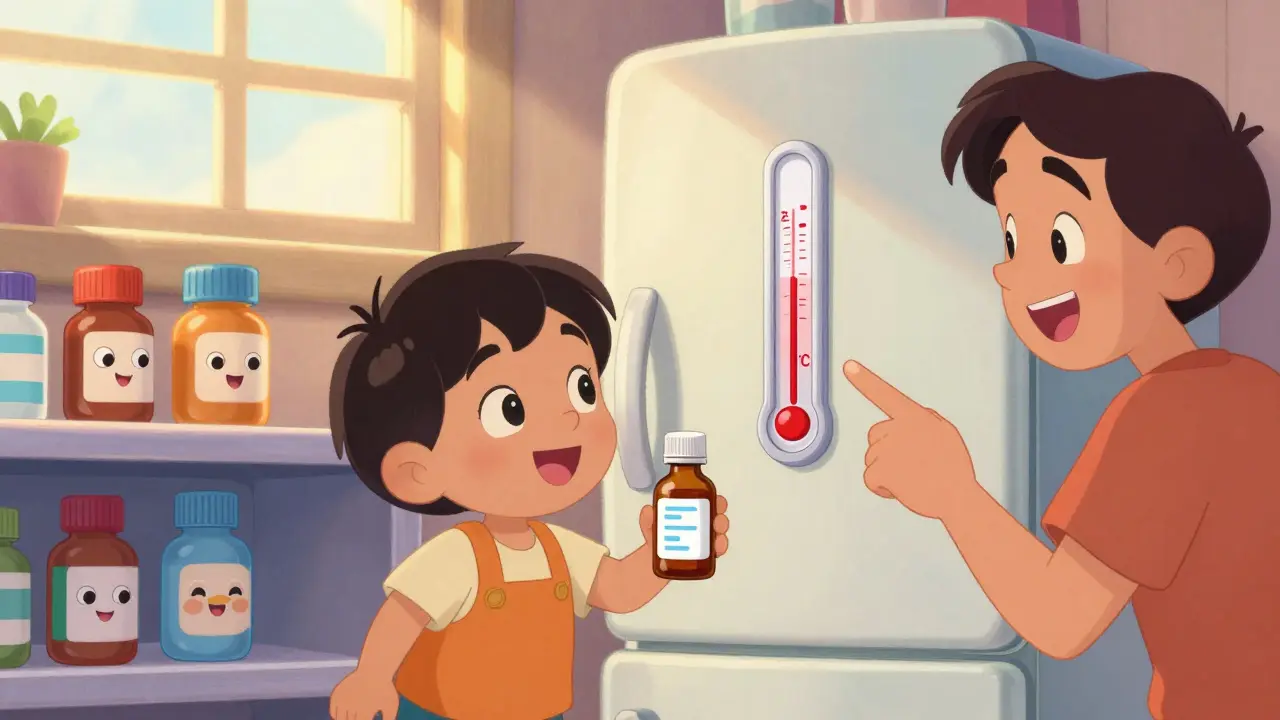
Learn how to properly store liquid antibiotics and reconstituted suspensions to ensure they remain effective. Discover which ones need refrigeration, how long they last, and what happens if they're stored wrong.
The FDA requires generic drug makers to prove bioequivalence through strict pharmacokinetic studies to ensure their products work just like brand-name drugs. Learn the science, standards, and common pitfalls in the approval process.