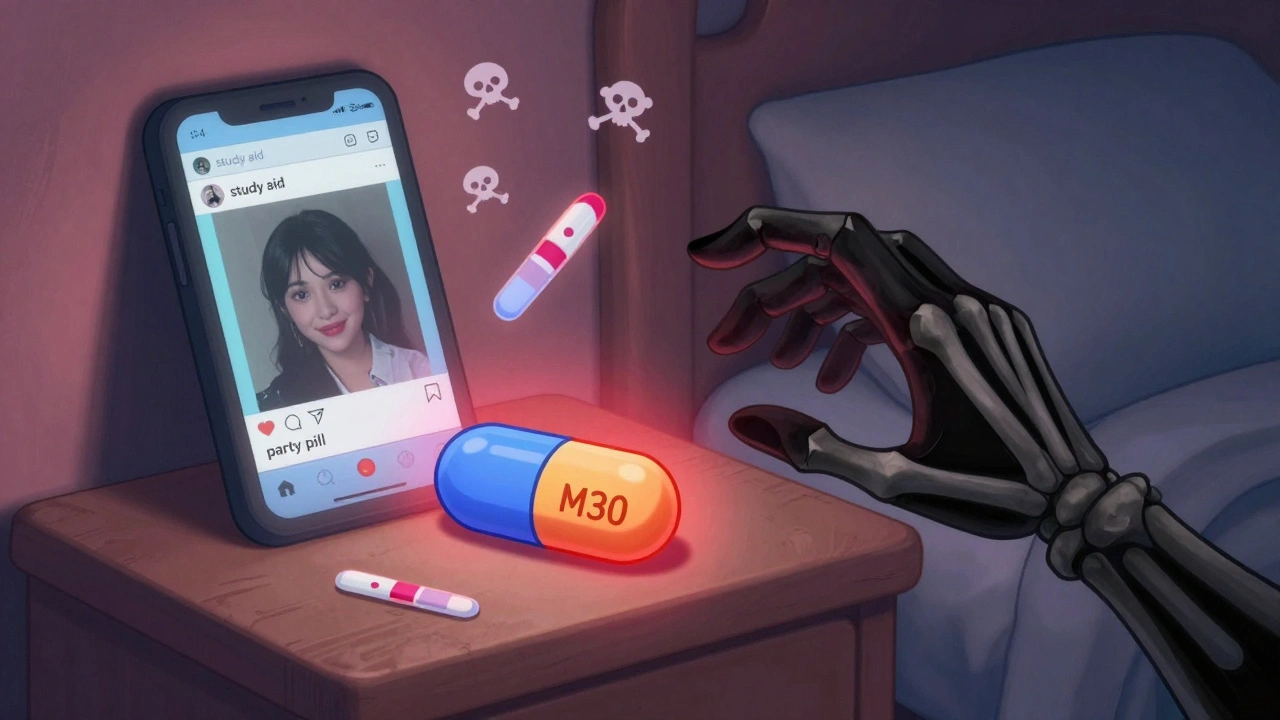
Fentanyl Test Strips: How to Detect Deadly Contamination in Drugs
When you’re using drugs—whether prescribed, recreational, or obtained online—you can’t know what’s really in them. That’s where fentanyl test strips, small paper strips used to detect the presence of fentanyl in drugs before use. Also known as fentanyl detection strips, they’re one of the few tools that give users real-time control over their safety. Fentanyl is 50 to 100 times stronger than morphine, and even a tiny amount can stop your breathing. It’s often mixed into heroin, cocaine, counterfeit pills, and even MDMA without the user’s knowledge. These strips don’t tell you the dose, but they tell you if the poison is there—and that’s enough to make a life-or-death choice.
Fentanyl test strips are used by people who use drugs, harm reduction workers, and even families trying to protect loved ones. They’re simple: you dissolve a small sample in water, dip the strip, and wait a minute. One line means fentanyl is present; two lines mean it’s not. No lab, no wait, no guesswork. They’re not perfect—some forms of fentanyl analogs might not show up—but they’ve been proven to cut overdose risk in real-world settings. In cities like Baltimore and Vancouver, distribution programs tied to test strips have lowered fatal overdoses by over 30%. They’re not a solution to the drug crisis, but they’re a shield you can hold in your hand.
These strips connect to bigger issues: the rise of counterfeit pills that look like oxycodone or Xanax but are laced with fentanyl, the lack of regulated drug supply, and how overdose prevention is shifting from punishment to practical tools. You’ll find posts here about naloxone, how to build an overdose emergency plan, and how to spot fake pills. All of it ties back to one truth: if you don’t know what’s in your drug, you’re playing Russian roulette with your life. Fentanyl test strips turn that gamble into a choice.
Below, you’ll find real stories, step-by-step guides, and science-backed advice on how to use these strips effectively, what to do if they show a positive result, and how they fit into broader harm reduction. This isn’t theory. It’s survival.