
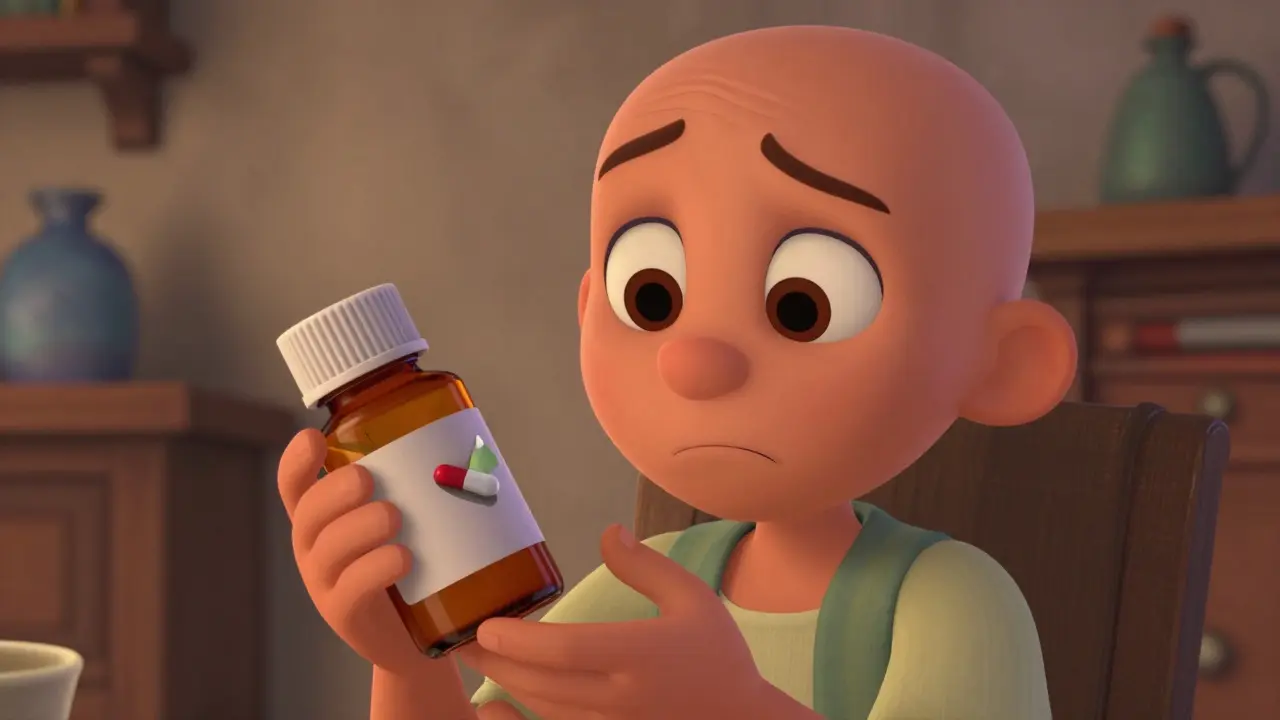
Imagine picking up your monthly prescription, only to realize the pills look slightly off-color or the safety seal on the bottle is barely clinging on. It's a stomach-churning feeling. Whether it's a strange smell or a label that looks like it was printed on a home inkjet printer, these aren't just "quality issues"-they are massive red flags for report counterfeit medications and tampered products that could be lethal.
Counterfeit drugs aren't just "generic" versions; they are fraudulent products designed to look like the real deal but often contain the wrong ingredients, no active ingredients, or even toxic fillers. With the global market for these fakes valued at over $200 billion, the risk is real. But here is the good news: you have the power to stop these products from reaching other patients. Reporting a suspect drug doesn't just protect you; it triggers a chain reaction that can pull thousands of dangerous bottles off pharmacy shelves worldwide.
Quick Guide: What to Do Immediately
If you suspect your medication is fake or has been messed with, do not throw it away and do not take another dose. Your first priority is to preserve the evidence. Think of yourself as a crime scene investigator for a moment.
- Stop using the drug: Put the cap back on and set it aside immediately.
- Keep everything: Do not toss the outer cardboard box, the leaflets, or the receipt. The packaging often holds the key to finding the source of the fraud.
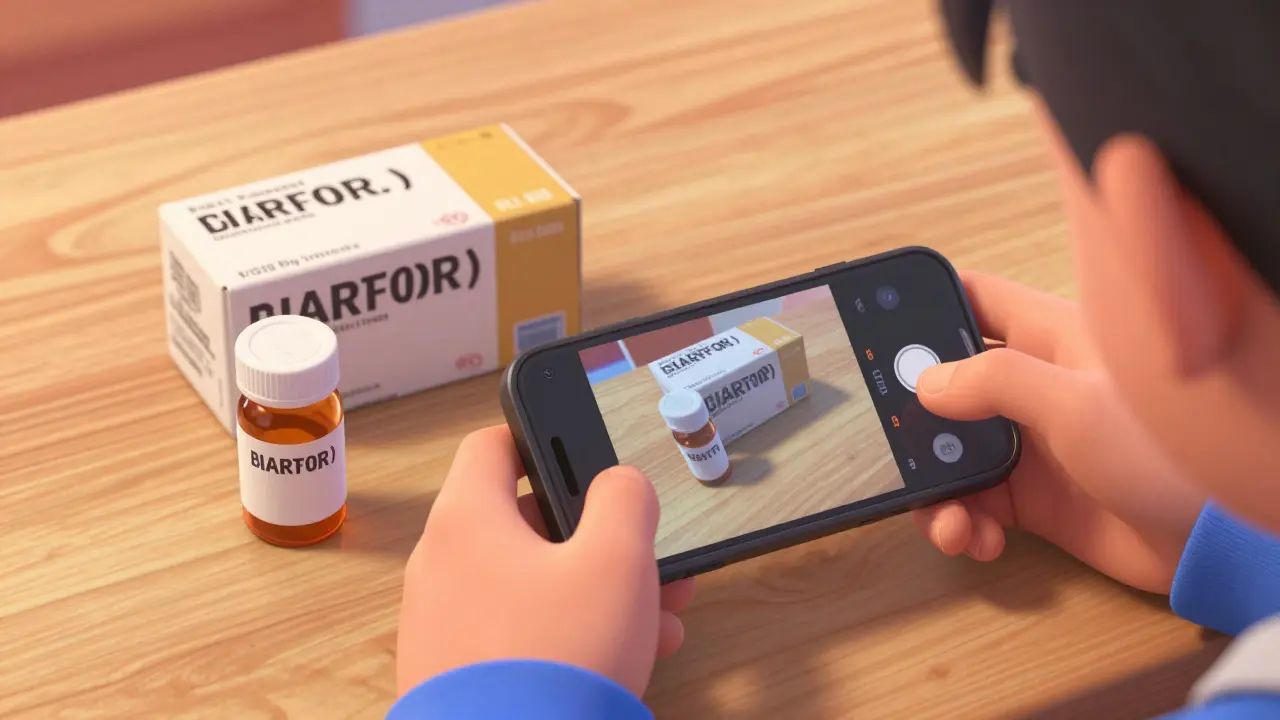
- Document the details: Take clear, high-resolution photos of the batch number and expiration date.
- Limit handling: Try not to touch the pills or the inside of the bottle more than necessary to avoid contaminating the sample.
Reporting for Patients and Consumers
If you are a patient in the United States, your primary tool is FDA MedWatch is the FDA's safety information and adverse event reporting program . It's the central hub for reporting everything from a drug that didn't work to a bottle that looks like a counterfeit. You can file a report online using Form 3500 or call 1-800-FDA-1088. Be prepared to spend about 12 to 15 minutes filling out the details.
For those in Canada, the process often starts at the local level. If you suspect a prescription was forged or a drug is tampered with, your first stop is your pharmacist. In provinces like Ontario, pharmacists report prescription forgery directly to the Ontario Drug Benefit program. For more serious cases involving controlled substances, reports are escalated to Health Canada, specifically the Office of Controlled Substances, usually within 10 days of the discovery.
If you suspect a drug was bought or sold illegally (like street-level fake Adderall or OxyContin), the DEA (Drug Enforcement Administration) is the right agency. They provide the RxAbuse Tip Line, which allows you to report suspicious activity anonymously. This is especially useful if you're worried about retaliation from a "dealer" or an illegal online pharmacy.
Guidelines for Healthcare Professionals
Pharmacists and doctors are the front line of defense. You'll often be the first to notice a "red flag," such as a prescription written in two different ink colors or a call-back number that just leads back to the patient's own phone. If you suspect a forgery, the rule is simple: do not dispense the medication and contact local law enforcement immediately.
For supply chain professionals-manufacturers, repackagers, and distributors-the stakes are higher. Under the Drug Supply Chain Security Act (DSCSA), which was fully implemented by November 2023, you have a strict 24-hour window to notify the FDA once a product is determined to be illegitimate. The preferred method is through the 3911 platform in CDER NextGen, though email is still accepted as a backup. Failing to hit this window can result in warning letters and heavy regulatory scrutiny.
| Who is reporting? | Primary Agency/Tool | Key Deadline/Timeframe | Best for... |
|---|---|---|---|
| Patients (US) | FDA MedWatch | As soon as possible | Quality issues, side effects, fakes |
| Patients (Canada) | Pharmacist / Health Canada | 10 days (Controlled substances) | Tampering or forged scripts |
| Supply Chain Ops | FDA (Form 3911) | Within 24 hours | Illegitimate product batches |
| Community Members | DEA RxAbuse Tip Line | Immediate/Anonymous | Illegal drug sales/diversion |
The Anatomy of a "Perfect" Report
Not all reports are created equal. If you provide vague information like "the pills look weird," the investigation might stall. According to experts in tropical medicine and public health, reports containing specific technical data increase the success rate of investigations by nearly 68%. To make your report actionable, include these five elements:
- The Batch or Lot Number: This is the most critical piece of data. It allows regulators to trace the drug back to the specific factory and date of production.
- The Exact Product Name: Include the strength (e.g., 20mg vs 40mg) and the manufacturer listed on the box.
- High-Resolution Photos: Take a photo of the pill itself, the blister pack, and the barcode on the box.
- Source of Purchase: Where did you get it? If it was an online pharmacy, include the URL and the payment method used.
- Physical Description of the Problem: Be specific. Instead of "tampered," say "the foil seal on the bottle was peeled back" or "the pills have a powdery residue on them."
Dealing with Online Pharmacy Frauds
The rise of "no prescription required" websites has made it incredibly easy for counterfeiters to reach people. In a recent review, nearly 96% of online pharmacies were found to be non-compliant with professional standards. If you bought a drug from a site that felt "off," the reporting process changes slightly.
First, report the site to the National Association of Boards of Pharmacy, which monitors rogue pharmacies. If you used a major platform like Amazon to buy a health product that turned out to be fake, use their internal "report counterfeit" system. These platforms have their own data streams that often feed back into regulatory agencies, helping them spot trends faster than individual reports might.
What Happens After You Report?
It's important to manage your expectations here. While the FDA can identify affected lots in as little as 11 days, the communication back to the consumer is often slow. Many people feel ignored because they don't get a personal update on the investigation. However, your data is being used in the background to update early warning systems.
In the coming years, this process is getting faster. The FDA is testing smartphone apps that use AI to scan a pill's packaging and automatically extract the lot number, cutting reporting time from 14 minutes down to under 4. We are also seeing a shift toward blockchain verification, where the entire journey of a drug-from the factory to your pharmacy-is digitally tracked and impossible to forge.
What if I already took the suspected counterfeit medication?
Stop taking the medication immediately and contact your healthcare provider or an urgent care clinic. Do not wait for symptoms to appear. When you call, tell them specifically that you suspect the drug was counterfeit; this helps them look for specific toxicity or deficiency signs rather than just treating general symptoms.
Can I report a fake drug anonymously?
Yes. The DEA's RxAbuse Tip Line is specifically designed for anonymous reporting of suspicious pharmaceutical activities. While FDA MedWatch allows for a level of privacy, the DEA line is the gold standard for those who wish to remain completely unidentified when reporting "bad actors" or illegal sellers.
Is a drug considered "counterfeit" if it's just a generic brand?
No. Generic drugs are legal, approved by regulatory bodies, and contain the same active ingredients as the brand-name version. A counterfeit drug is one that is fraudulently mislabelled to look like another drug or source. If your pharmacy gave you a generic instead of a brand name, that's a billing or pharmacy choice issue, not a counterfeit crime.
How do I know if a medication has been tampered with?
Look for broken safety seals, torn shrink-wrap, or pills that have crumbled or changed color. Other signs include a strange smell that isn't typical for that medication, or a pharmacy bottle with a label that has spelling errors or missing prescriber information.
Who should I contact first: the police or the FDA?
If you have evidence of a crime (like a forged prescription or a dealer), start with local law enforcement or the DEA. If the issue is with the quality or authenticity of the product itself, the FDA (in the US) or Health Canada (in Canada) are the primary authorities. In many cases, reporting to your pharmacist is the fastest way to get the process started, as they have direct lines to both law enforcement and regulators.
Next Steps for Your Safety
To avoid these situations in the future, stick to pharmacies that are verified by the National Association of Boards of Pharmacy. If a deal seems too good to be true-like a high-cost medication being sold for 90% off on a website you've never heard of-it almost certainly is a counterfeit. Always ask your pharmacist to show you the packaging if you have doubts about a specific batch, and never buy critical medications from social media marketplaces or unverified third-party sellers.