Are Generic Drugs Copies? The Truth Behind the Myth
Generic drugs are not copies - they're scientifically proven equivalents that save patients up to 85% on medication costs. Learn the truth behind the myth and when generics are the best choice.

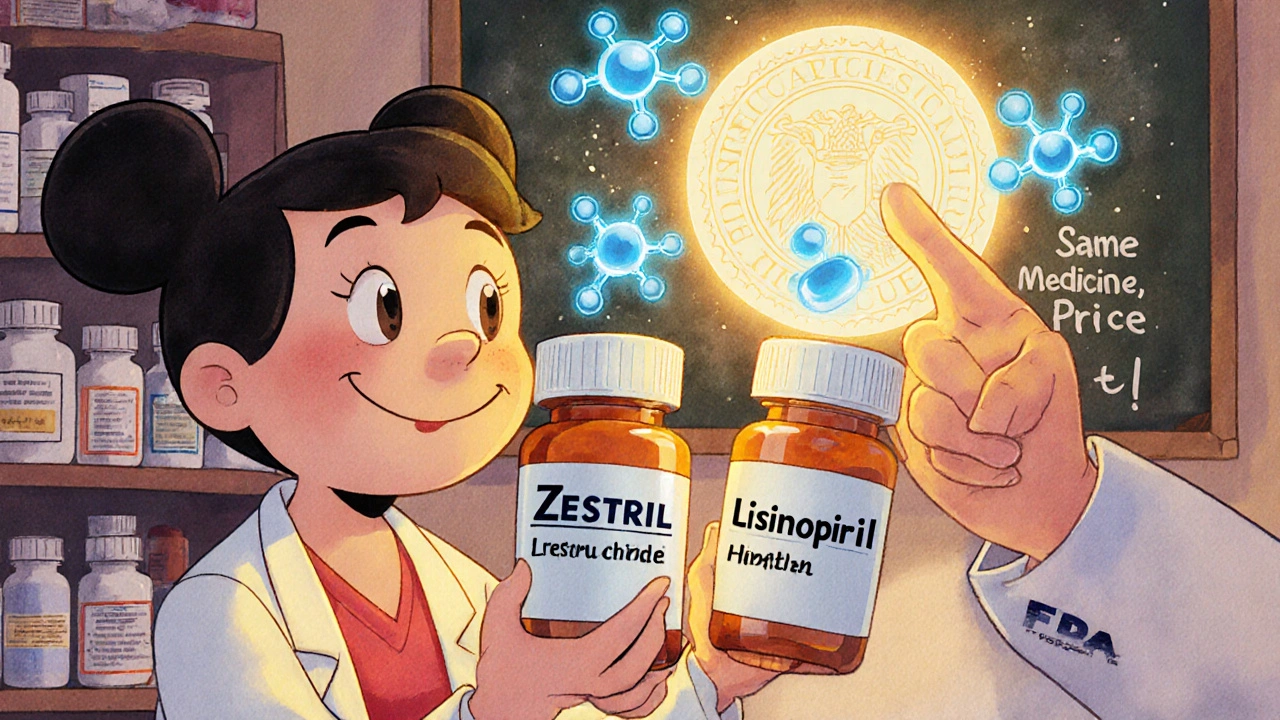
When you hear brand-name drugs, original medications developed and marketed by pharmaceutical companies under a patent-protected name. Also known as originator drugs, they’re the first version of a medicine to hit the market after years of research and clinical testing. These are the pills you see advertised on TV—like Lipitor, Nexium, or Zoloft—sold under names you recognize, not the chemical ones. But here’s the thing: once the patent runs out, the same exact drug can be sold for a fraction of the price as a generic drug, a copy of a brand-name drug that contains the same active ingredient, dosage, and intended use. Also known as generic medications, they’re required by the FDA to work the same way in your body. So why do brand-name drugs still exist? And why do some people still choose them?
The answer isn’t just about quality. Brand-name drugs often come with better packaging, customer support, and sometimes even patient assistance programs. But the big difference? Price. A single month’s supply of a brand-name drug can cost hundreds—while the generic version might be under $10. That’s not magic. It’s science. The FDA requires generics to prove bioequivalence, the measure of how similar a generic drug’s absorption and effect are to the brand-name version. Also known as therapeutic equivalence, it’s not a guess—it’s tested in real people under strict lab conditions. If the numbers match, the generic is approved. No exceptions. But here’s where it gets messy: some drugs are complex—like inhalers, creams, or injectables. Proving bioequivalence for those is harder, and sometimes brand-name versions stay on the market longer because generics can’t catch up. That’s why you’ll see posts here about complex generic formulations and why some doctors still prescribe the original.
And then there’s the legal side. In the U.S., drug manufacturers can’t be sued over side effects from generics because they don’t make the original label. That means if you have a bad reaction, your lawsuit goes to the brand-name maker—unless you took the generic. That’s why some physicians worry about physician liability, the legal risk doctors face when prescribing generics, especially when patients have adverse reactions. Also known as prescribing risk, it’s a real concern in clinics where cost-cutting meets patient safety. You’ll find posts here that break down exactly how that works—and why some doctors stick with brand-name drugs even when generics are available.
What you’ll find below isn’t a list of every brand-name drug ever made. It’s a practical guide to the real choices you face. From comparing Voveran to ibuprofen, Hyzaar to other blood pressure meds, or Protonix to H2 blockers—these posts cut through the noise. They show you what works, what doesn’t, and what you might be overpaying for. Whether you’re managing diabetes, high blood pressure, or chronic pain, you’ll see how brand-name drugs stack up against cheaper options. No fluff. Just facts you can use.
Generic drugs are not copies - they're scientifically proven equivalents that save patients up to 85% on medication costs. Learn the truth behind the myth and when generics are the best choice.
Generic drugs are scientifically identical to brand-name medications but often feel less effective due to perception, not science. Learn why the gap exists-and how to trust your prescription.