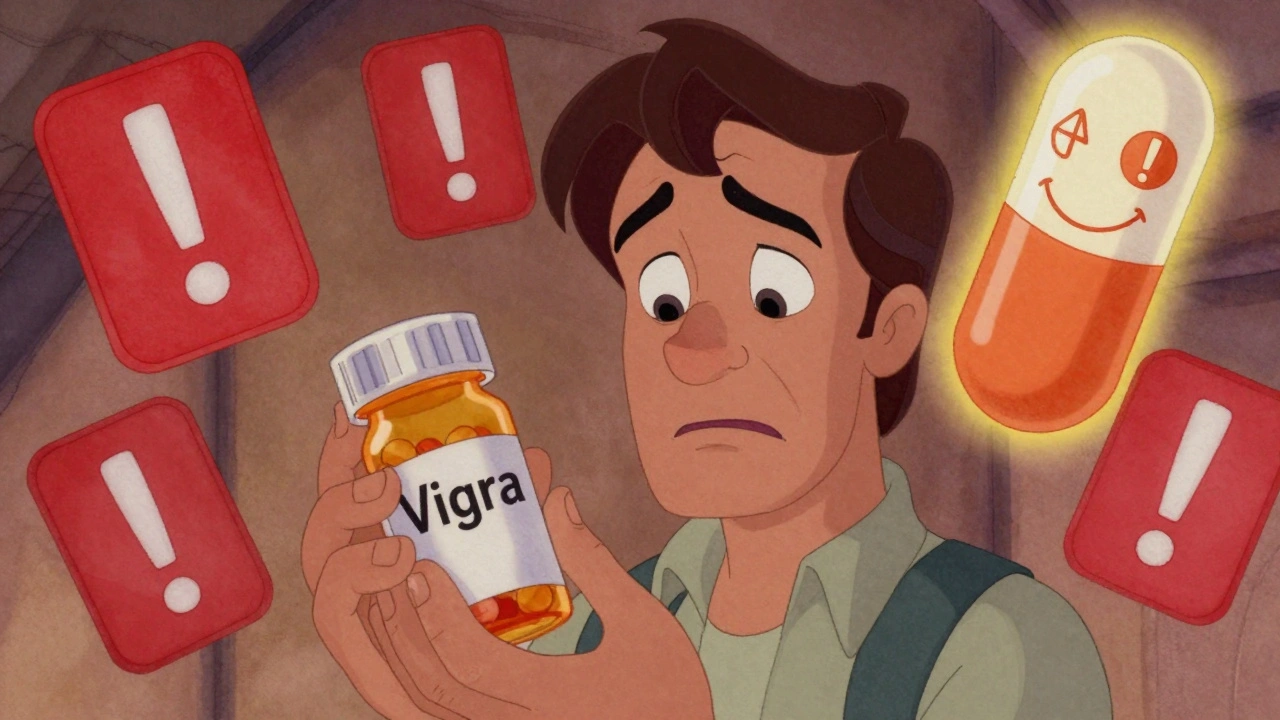
Counterfeit Medication Red Flags: What to Watch For
Counterfeit medications can be deadly. Learn the top red flags - from suspicious pricing to fake packaging - and what to do if you think you've been sold fake pills. Protect yourself and others.

When you take a pill, you expect it to do what it says on the label. But fake pills, counterfeit medications designed to look like real prescriptions but containing dangerous or inactive ingredients. Also known as counterfeit drugs, these fake pills are flooding markets worldwide, often disguised as opioids, anxiety meds, or even diabetes drugs. They’re not just misleading—they’re deadly. The CDC reports that over 70% of illicit pills seized in the U.S. contain lethal doses of fentanyl, even when users think they’re taking something else. This isn’t a rare scam—it’s a public health crisis hiding in plain sight.
These counterfeit medications, illegally produced pills that mimic brand-name or generic drugs without regulatory approval. Also known as fake medicine, they’re often sold online, through social media, or even in vending machines in some countries. They might look identical to your prescription, but they can contain anything: too much fentanyl, no active ingredient at all, toxic chemicals like rat poison, or even chalk. The drug safety, the system of checks and practices designed to ensure medications are what they claim to be and safe to use we rely on—FDA approval, licensed pharmacies, batch tracking—doesn’t exist for these products. And because they’re sold in secret, people don’t know they’re at risk until it’s too late.
Why does this keep happening? Because profit outweighs risk. Fake pills cost pennies to make but sell for hundreds. They’re easy to ship, hard to trace, and often packaged to look like real prescriptions from major brands. Even people who buy from online pharmacies that look legit can get scammed. You don’t need to be using street drugs to be at risk—someone might sell you fake Adderall thinking it’s for focus, or fake Xanax for anxiety, and end up with a lethal dose of fentanyl instead.
There’s no foolproof way to tell a fake pill by sight alone, but you can reduce your risk. Only get prescriptions filled at licensed pharmacies. Avoid buying pills from websites that don’t require a prescription. If a pill looks different than usual—color, shape, taste, or how it affects you—stop taking it and talk to your pharmacist. Keep naloxone on hand if you or someone you know is at risk of opioid exposure. And if you’re ever unsure, call your doctor. It’s better to be safe than sorry.
The posts below dig into real cases where fake pills have caused harm, how counterfeit drugs slip through systems meant to stop them, and what you can do to protect yourself. You’ll find stories about mistaken identities in medication bottles, how generic drugs get confused with fakes, and why some people think their meds aren’t working—when the real problem is they never got the real thing to begin with. This isn’t just about avoiding scams. It’s about staying alive.
Counterfeit medications can be deadly. Learn the top red flags - from suspicious pricing to fake packaging - and what to do if you think you've been sold fake pills. Protect yourself and others.