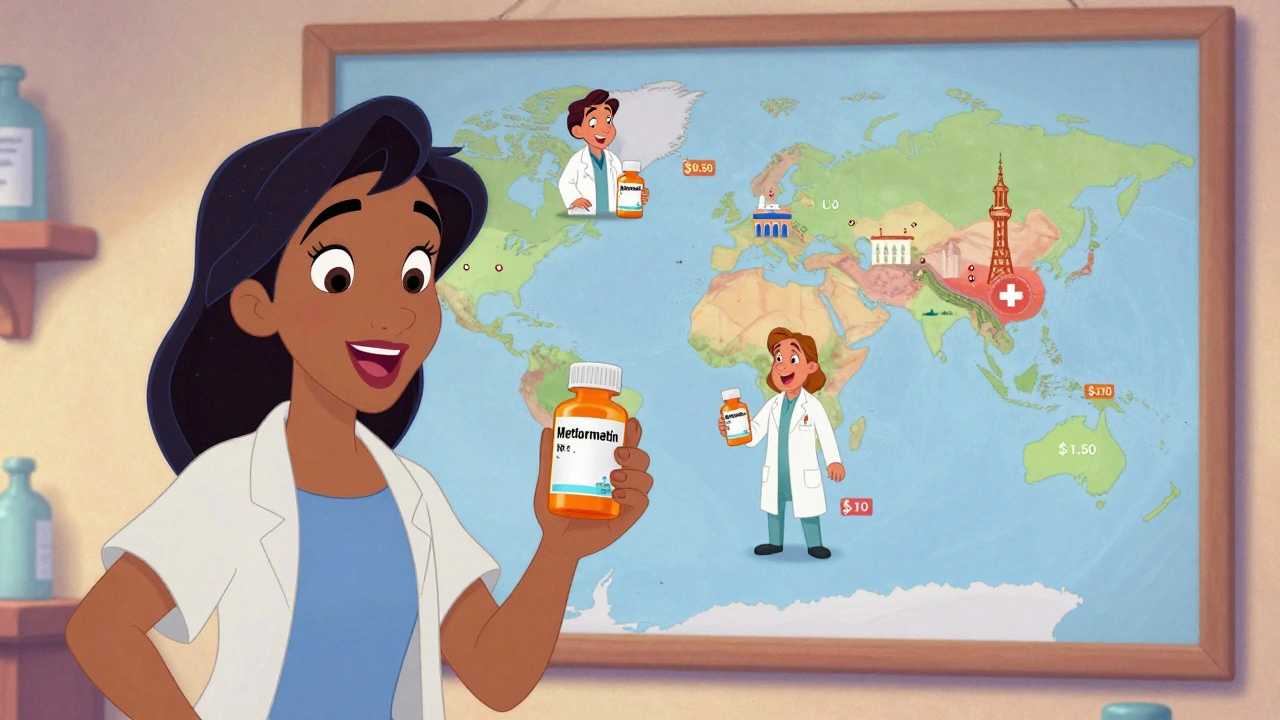
Generic Availability: What It Means and Why It Matters for Your Health and Wallet
When you hear generic availability, the ease with which FDA-approved versions of brand-name drugs reach pharmacies at lower prices. Also known as generic drug access, it’s what lets millions of people afford their prescriptions without breaking the bank. It’s not just about saving money—it’s about making sure the right medicine is actually in stock when you need it.
Not all drugs become available as generics at the same time. Some, like complex inhalers or injectables, take years longer to copy because proving they work the same way is scientifically harder. That’s why bioequivalence, the scientific proof that a generic drug performs the same as the brand-name version in the body matters more than you think. And when countries use international reference pricing, a system where drug prices are set by comparing costs across other nations, it can speed up or block generic availability depending on where you live. The U.S. doesn’t use it much—so prices stay higher, and access lags behind Europe.
Even when generics are available, people still doubt them. You might feel like your generic pill doesn’t work as well—but that’s usually perception, not science. The FDA requires generics to match brand drugs in strength, safety, and how they’re absorbed. The difference? Color, shape, or filler ingredients. Nothing that changes how the medicine works. But if you’ve been on a brand drug for years, switching to a generic can feel like a gamble—even when it’s not.
And here’s the real issue: when generic availability drops, people suffer. Shortages happen when manufacturers stop making a cheap version because the profit is too low. Or when a single company holds the patent rights too long. That’s why tracking FDA generic approvals, the annual list of new generic drugs cleared for sale tells you more than just numbers—it shows whether your next refill will be affordable or a surprise bill.
Some drugs never get generics because they’re too complicated. Others sit on shelves because pharmacies don’t stock them—either because they’re low-margin or because doctors don’t prescribe them. But when generics are truly available, they save billions every year. In fact, the FDA’s generic approvals cut U.S. healthcare spending by over $1.6 trillion in the last decade alone. That’s not just policy—it’s personal. It’s your insulin, your blood pressure pill, your antidepressant.
What you’ll find here are real stories behind those savings: how international pricing affects your local pharmacy, why some generics feel different even when they’re not, what to watch for with counterfeit pills, and how to make sure you’re getting the real thing. We’ll show you how to spot when a generic isn’t just cheaper—it’s actually better for your long-term health. And we’ll explain why some doctors hesitate to prescribe them—not because they’re unsafe, but because of legal risks and outdated assumptions.