Opioid Overdose Reversal: How Naloxone Saves Lives and What You Need to Know
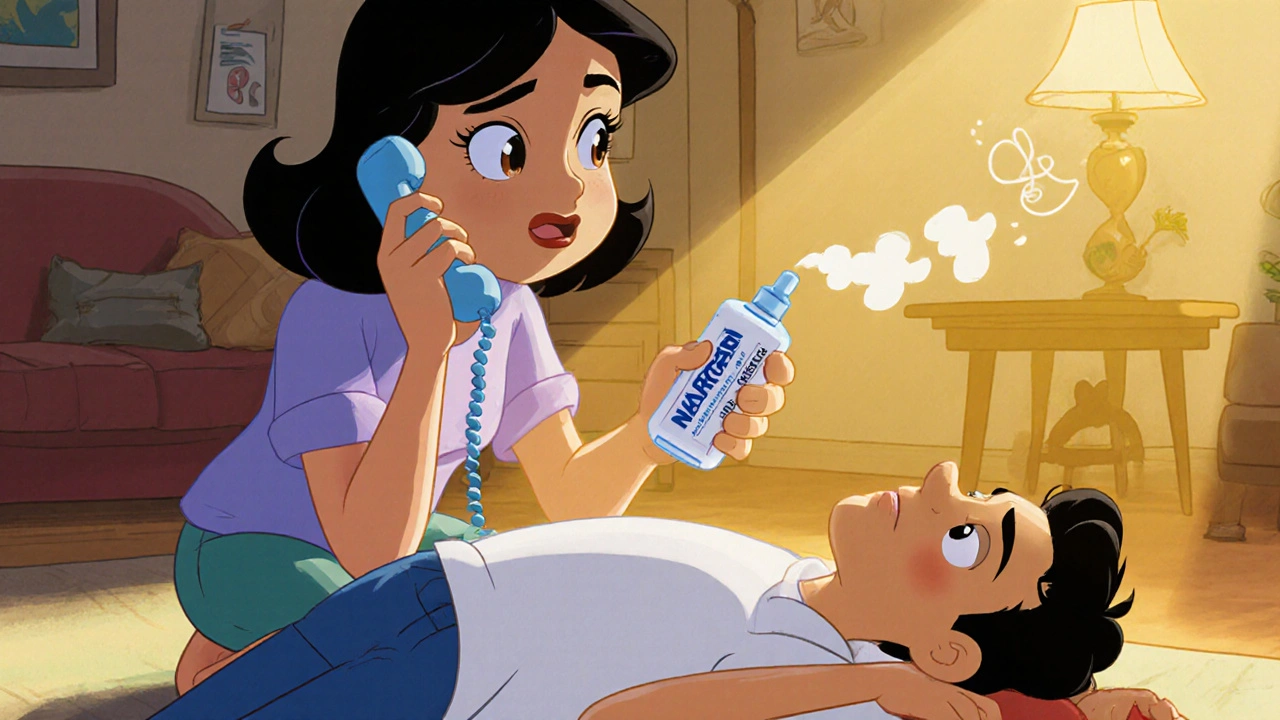
When someone overdoses on opioids, time isn’t just money—it’s their last chance. opioid overdose reversal, the process of stopping a life-threatening opioid overdose using medications like naloxone. Also known as opioid reversal, it’s not a theoretical concept—it’s a real, immediate intervention that saves thousands every year. You don’t need to be a doctor to do it. You just need to know the signs, have access to naloxone, and act fast.
naloxone, a medication that blocks opioids from binding to brain receptors, reversing respiratory depression within minutes. It’s safe, non-addictive, and works whether the overdose comes from heroin, fentanyl, oxycodone, or even prescription painkillers. The FDA has approved it for over-the-counter use in many places, and it’s now carried by first responders, pharmacies, schools, and even some community centers. But here’s the catch: it only works if you use it in time. If someone is unresponsive, not breathing, or has blue lips, naloxone can bring them back—unless you wait too long.
opioid overdose, a medical emergency caused by too much opioid in the system, leading to slowed or stopped breathing. It’s not always obvious. People don’t always pass out dramatically. Sometimes they just stop responding. Their breathing gets shallow, their skin turns pale or gray, and their pupils shrink to pinpoints. Many overdoses happen alone, at home, or after a break from using—when tolerance drops. That’s why knowing how to restart medication safely after a break, as covered in our posts, matters just as much as having naloxone on hand.
What you’ll find in these articles isn’t just theory. It’s real-world insight from people who’ve seen the aftermath—and the recovery. You’ll read about how tolerance loss leads to overdose risk, how naloxone fits into broader opioid dependence strategies, and why even people taking prescribed opioids need to understand reversal. Some posts dig into the science behind why naloxone works so fast. Others show how to recognize the early signs before it’s too late. And yes, there’s even advice on what to do after giving naloxone—because the person isn’t out of danger just because they wake up.
This isn’t about fear. It’s about preparedness. Whether you’re someone taking opioids, caring for someone who is, or just want to know how to help in an emergency, the tools are here. You don’t need to be an expert. You just need to know what to do—and when to do it.