Perception vs Reality in Medication and Health: What You Think vs What’s True
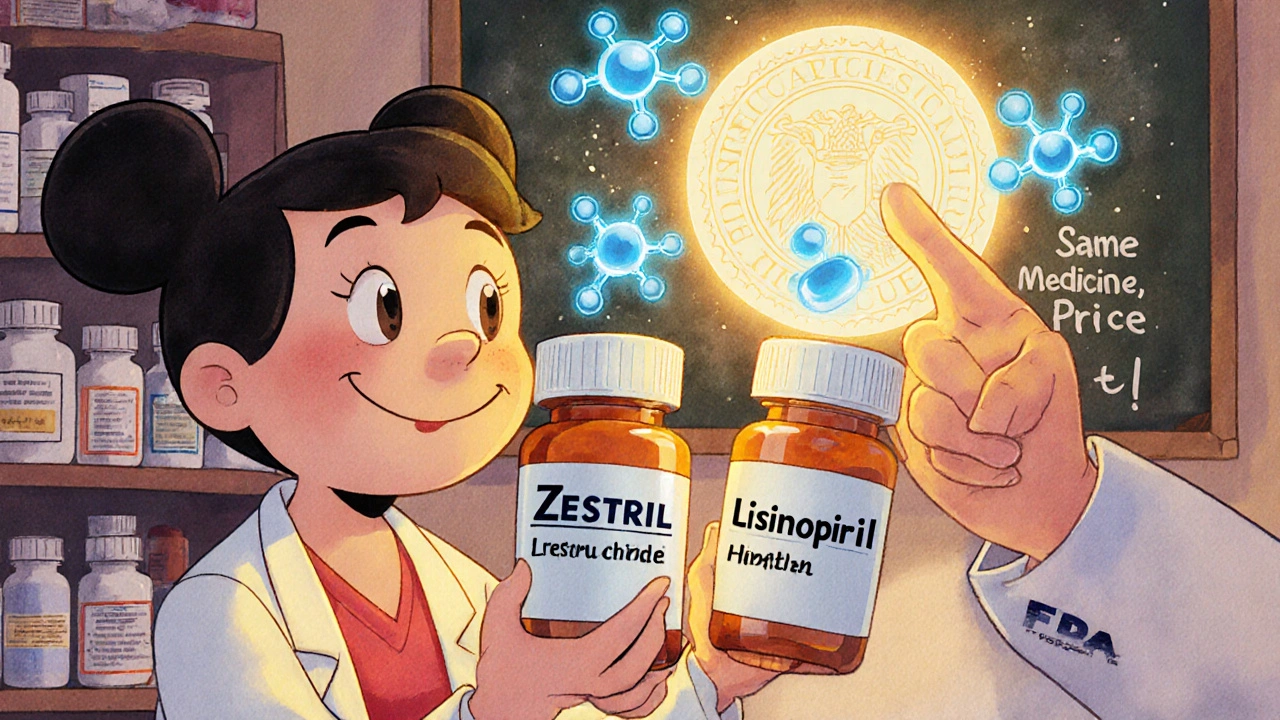
When it comes to health, what you believe often has little to do with what’s real. Perception vs reality, the gap between how people think medications work and how they actually behave in the body. This isn’t just a philosophical idea—it’s a life-or-death issue in pharmacies, emergency rooms, and homes across the country. You might think generic drugs are weaker, that natural supplements are always safe, or that if you feel fine, your blood pressure must be normal. But the truth? Generic drugs, medications approved by the FDA to work exactly like brand-name versions. Also known as bioequivalent drugs, they save billions and work just as well. Yet people still avoid them out of fear, not facts.
Drug side effects, unwanted reactions that happen when a medication interacts with your body’s chemistry. Also known as adverse drug reactions, they’re often misunderstood. Someone takes an ACE inhibitor and gets a cough—so they assume it’s dangerous and quit. But that cough is a known, harmless side effect for some. Meanwhile, others ignore warning signs like swelling or confusion because they think, "It can’t be that bad." The reality? Health misinformation, false or misleading beliefs about medicine spread through social media, word of mouth, or outdated advice. It leads to missed diagnoses, dangerous interactions, and overdoses when people restart meds after a break—like in the case of opioids or benzodiazepines—because they forget their tolerance dropped.
Perception tricks you into thinking a supplement is safe because it’s "natural," but that’s not how biology works. Chocolate can interfere with thyroid meds. Coffee can make blood thinners less effective. Creatine raises creatinine levels—not because your kidneys are failing, but because it’s a chemical byproduct. People panic over lab results that look scary, not realizing the test is misreading their supplement use. And when a doctor prescribes a generic, patients worry it’s "cheap"—not knowing the manufacturer can’t be sued if something goes wrong, and the doctor has to document everything just to stay protected.
This collection doesn’t just list facts. It shows you where perception breaks down—and what reality looks like instead. You’ll find real stories behind breath tests for SIBO that lie, why a normal lab result doesn’t mean you’re safe, and how the same drug can save one person and nearly kill another based on timing, diet, or misunderstanding. You’ll learn why the FDA approves generics year after year, why some drugs are harder to copy than others, and how a simple change like eating before taking a pill can change its entire effect.
What you think you know about your meds might be keeping you sick. What’s true might surprise you. Below are real, practical guides that cut through the noise and show you exactly what’s happening in your body—no myths, no fluff, just what works and what doesn’t.