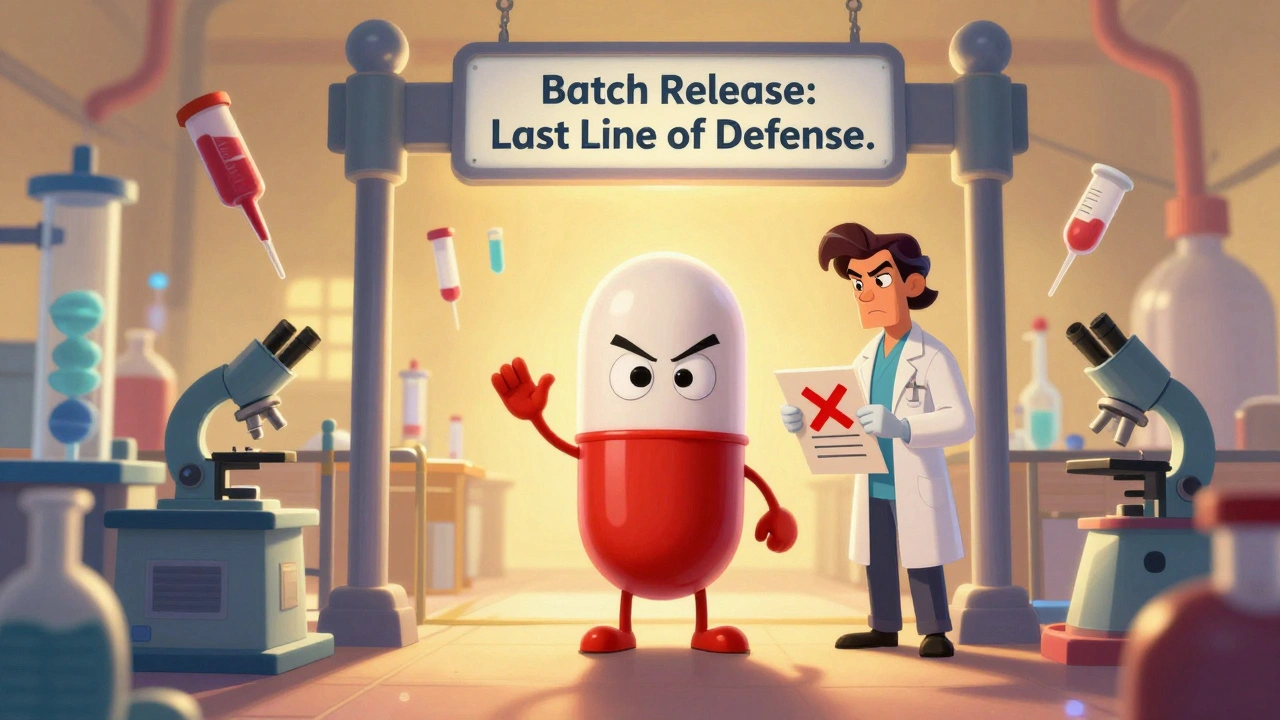
Pharmaceutical Quality Control: Ensuring Safe, Effective Medications
When you take a pill, you expect it to work the way it should—no surprises, no hidden dangers. That’s where pharmaceutical quality control, the system of checks and standards that ensures medicines are safe, consistent, and effective. Also known as drug manufacturing compliance, it’s the invisible guardrail between a lab and your medicine cabinet. Without it, a pill labeled as acetaminophen could contain fentanyl. A generic version of metformin might not dissolve the same way. And a cream for eczema could be contaminated with bacteria. This isn’t fear-mongering—it’s reality. Every year, thousands of counterfeit drugs enter the market, often sold as legitimate prescriptions through online pharmacies. The FDA approves hundreds of generic drugs annually, but not all are created equal. Some fail bioequivalence tests. Others slip through because the testing methods aren’t perfect, especially for complex formulations like inhalers or injectables.
Pharmaceutical quality control doesn’t just mean checking for the right chemical. It’s about consistency in every batch, proper storage, accurate labeling, and verifying that what’s in the bottle matches what’s on the box. bioequivalence, the measure that proves a generic drug performs the same as the brand-name version in the body is a cornerstone of this system. But proving bioequivalence for complex drugs is harder than it sounds. A pill you swallow is simple. An inhaler that delivers medicine deep into your lungs? That’s a whole different challenge. And when countries use international reference pricing, a method where drug prices are set by comparing costs across nations, it can lead to shortages or lower-quality imports if manufacturers cut corners to stay profitable. Meanwhile, patients in the U.S. might pay ten times more for the same drug than someone in Canada—yet still get a product that’s supposed to be identical. That’s the paradox of global drug markets: same label, wildly different standards.
What you’ll find in this collection isn’t just theory—it’s real-world evidence. Posts cover everything from fentanyl-laced counterfeit pills to why some people feel generics don’t work as well, even when science says they should. You’ll learn how to spot fake medication, why certain diabetes drugs carry rare but deadly risks, and how naloxone can reverse overdoses caused by unsafe drugs. We break down how the FDA approves generics, why some drugs fail quality tests, and what happens when a company skips critical steps. This isn’t about blaming manufacturers or regulators—it’s about understanding how the system works so you can protect yourself. Whether you’re taking a daily pill for blood pressure, managing chronic pain, or helping a loved one navigate their meds, knowing how quality control (or the lack of it) affects your treatment matters. Below, you’ll find practical guides, red flags to watch for, and the science behind what keeps your medicine safe—or puts it at risk.