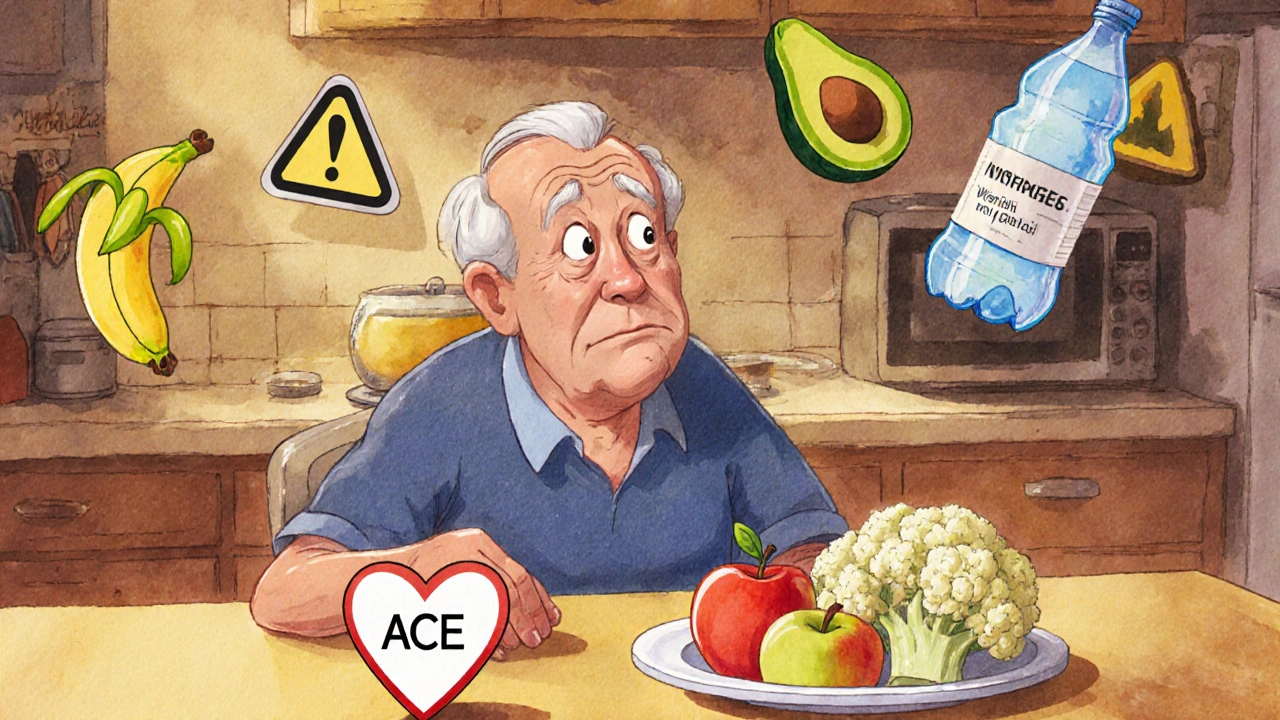
Potassium Restriction: What It Means and Why It Matters for Your Health
When your kidneys can’t filter properly, potassium restriction, the controlled reduction of dietary potassium to prevent dangerous buildup in the blood. Also known as a low-potassium diet, it’s a daily tool used by millions with kidney disease, heart failure, or those on certain medications. Too much potassium in your blood—called hyperkalemia, a condition where potassium levels rise above safe limits, risking irregular heartbeat or cardiac arrest—can be silent but deadly. You won’t always feel it until it’s too late. That’s why doctors recommend potassium restriction not as a diet trend, but as a medical necessity for specific health conditions.
People on kidney disease, a progressive loss of kidney function that reduces the body’s ability to remove excess minerals like potassium are the most common group needing this. Your kidneys normally flush out extra potassium through urine. But when they’re damaged, that potassium sticks around. It builds up. And over time, it can interfere with your heart’s rhythm. Medications like ACE inhibitors or potassium-sparing diuretics—often prescribed for blood pressure or heart failure—can make this worse. That’s why you might see articles here about potassium restriction alongside drug interactions, like those involving Hyzaar or other blood pressure meds. It’s not just about food. It’s about how your body handles what you take in.
It’s not just about avoiding bananas. Potassium hides in things you might not expect: spinach, potatoes, tomatoes, nuts, dairy, and even some salt substitutes. Even herbal supplements or salt-free seasonings can pack a hidden punch. That’s why managing this isn’t just about cutting one food—it’s about relearning what’s safe to eat, how to prepare it, and how to track your intake over time. People who follow this plan often work with dietitians to balance nutrition without risking their health. You’ll find posts here that dig into how medications like diuretics or kidney disease treatments interact with your diet, and why even small changes in what you eat can make a big difference in your lab results.
Some people think potassium restriction means eating bland food forever. But it’s more about smart swaps—choosing white rice over brown, peeled apples over oranges, or rinsing canned beans to cut potassium by up to 50%. It’s about understanding your limits, not giving up flavor entirely. And if you’re on long-term meds like those for heart or kidney conditions, this isn’t optional. It’s part of staying out of the hospital. The posts below cover real-life cases, drug interactions that affect potassium levels, and how to monitor your body’s response without constant blood tests. Whether you’re newly diagnosed or managing this for years, the information here gives you practical ways to stay safe, stay informed, and keep your heart beating steady.