
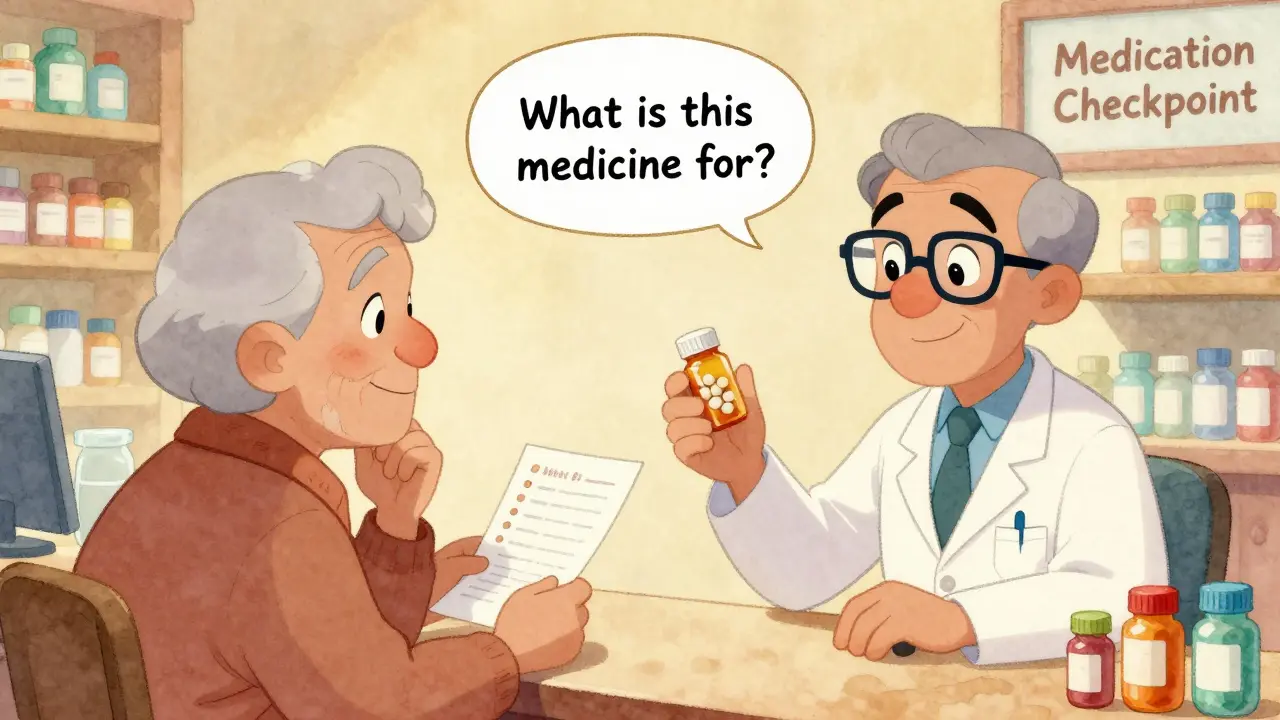
Every year, over 51 million dispensing mistakes happen in U.S. pharmacies. Most of them never reach patients-not because of barcode scanners or double-check systems, but because a pharmacist asked a simple question: "What is this medicine for?"
Why Patient Counseling Is the Last Line of Defense
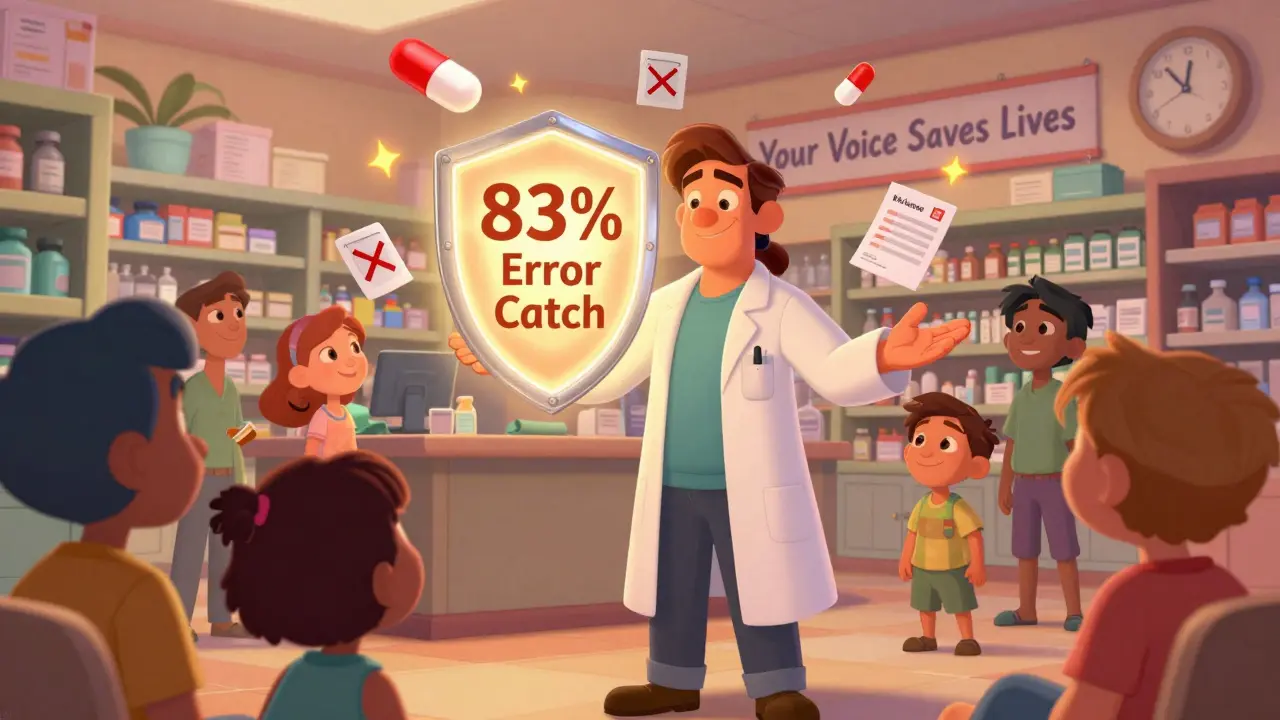
Automated systems catch about half of all dispensing errors. Pharmacists double-checking each other catch two-thirds. But when a pharmacist sits down with a patient and talks through the medication, they catch 83% of mistakes. That’s not luck. It’s science. The reason? Machines can’t tell if a patient thinks they’re getting a blood pressure pill when they’re actually holding a diabetes drug. They can’t notice when a patient says, "This tablet looks different," and it turns out the wrong strength was filled. Only a human conversation can uncover those gaps. The Omnibus Budget Reconciliation Act of 1990 made counseling mandatory for Medicare patients. Today, it’s standard practice everywhere-not because of regulation, but because it works. The Institute for Safe Medication Practices calls it a "human firewall." No algorithm can replace the moment a patient says, "I’ve never taken this before," and the pharmacist pauses to check the label again.The Four Critical Checks in Every Counseling Session
Effective counseling isn’t just handing out a pill bottle and saying, "Take one daily." It’s a structured verification process. Research from UConn School of Pharmacy shows that four key questions catch the vast majority of errors:- Confirm the purpose: "What condition is this medicine for?" Don’t assume the patient knows. Many don’t. A 2023 study found that 22% of patients couldn’t name the reason they were prescribed their new medication-even when it was for a chronic condition.
- Verify understanding: "Can you show me how you’ll take this?" This is called the "teach-back" method. Patients who explain instructions in their own words are 68% more likely to catch a mistake. One pharmacist caught a wrong insulin dosage when a patient said, "I draw up 10 units like I do with my other pen," but the prescription was for 5.
- Check the appearance: "Does this look like what you’ve taken before?" Look-alike pills cause 29% of dispensing errors. A patient at a CVS in Ohio spotted that her new blood thinner looked smaller than usual. The pharmacy had filled 5 mg instead of 10 mg. That’s a potentially deadly mix-up.
- Review history and interactions: "Are you taking anything else?" This includes over-the-counter drugs, supplements, even herbal teas. One patient was given a new antibiotic while on warfarin. The pharmacist caught it because the patient mentioned taking garlic supplements daily-something the EHR didn’t list.
How Long Should Counseling Really Take?
You can’t rush safety. The National Center for Biotechnology Information (NCBI) says pharmacists need at least 2.3 minutes per patient to do this right. Each extra 30 seconds cuts error rates by 12.7%. That means a 3-minute conversation reduces mistakes by nearly 47%. But here’s the problem: most pharmacists spend only 1.2 minutes. Corporate pressure to move patients through the line is real. A Reddit thread from a pharmacy tech in Texas said, "They tell us to keep it under 90 seconds or we’re slowing down the store." Independent pharmacies that stick to the 2.5-minute standard see error rates drop from 61% to 85% within six months. Chain pharmacies? Compliance averages just 62% for new prescriptions. That’s a gap of 23 percentage points-23 points where patients could be getting the wrong medicine.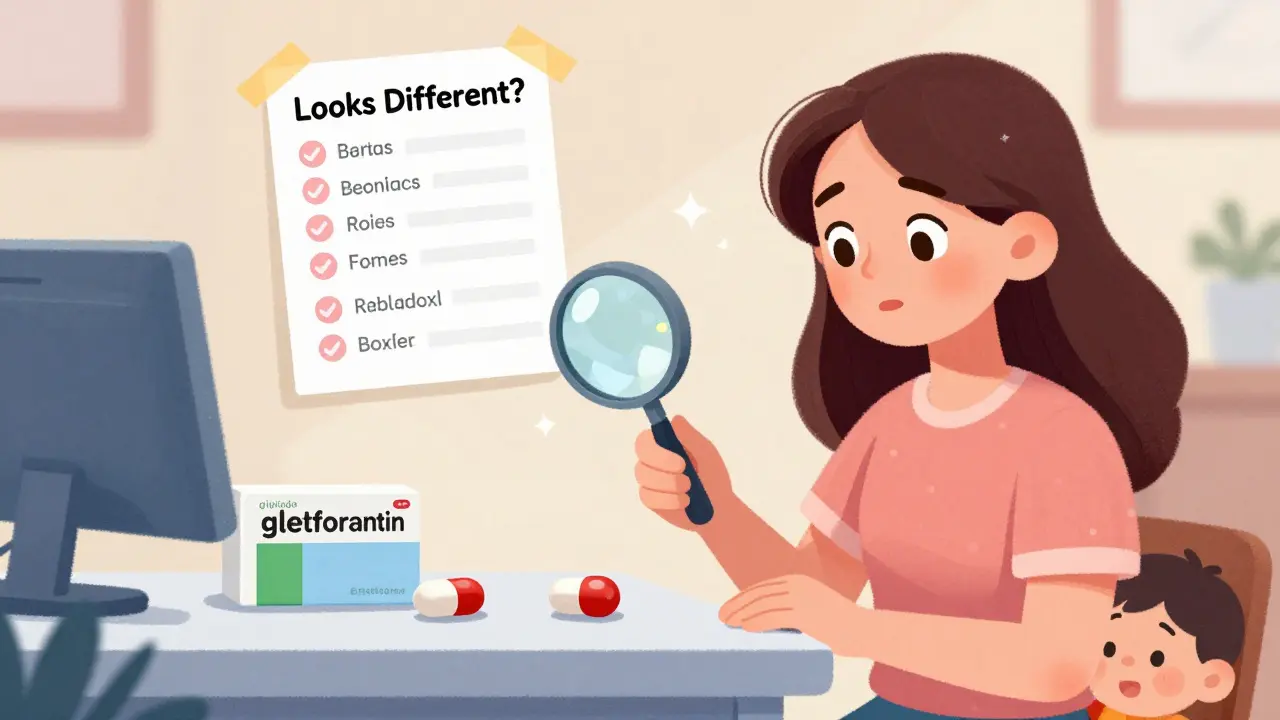
When Counseling Works Best-and When It Doesn’t
Counseling isn’t equally effective for every type of prescription. It’s most powerful for:- New prescriptions: 91% of errors are caught here. Patients don’t know what they’re supposed to get, so they’re more likely to notice something off.
- Complex regimens: Patients on five or more medications? Counseling catches 87% of mistakes. The more pills someone takes, the higher the risk of confusion.
- High-alert drugs: Insulin, opioids, blood thinners-these are where mistakes are most dangerous. The ISMP says 1 in 5 errors involve these drugs. Counseling is the only system that can catch a wrong insulin type or a double dose of an opioid.
- Refills: Only 33% of errors are caught on routine refills. Patients assume it’s the same as last time. If a pharmacy accidentally fills a different strength or generic brand, the patient may not say anything.
- Low-health-literacy patients: 42% of undetected errors happen here. These patients often nod along even when they don’t understand. That’s why teach-back is non-negotiable.
- Patients who decline: About 19% of people refuse counseling. That’s a blind spot. Some pharmacies use technicians to offer a quick safety check first-something allowed in 42 states.
Real Stories from the Pharmacy Floor
In 2022, CVS ran a pilot in 150 stores asking patients, "Does this look like what you’ve taken before?" They caught 1,247 errors in three months. One was a child’s amoxicillin prescription filled as an adult dose. Another was a patient given metformin instead of glipizide-two pills that look almost identical. At Walgreens, their "Medication Checkpoint" protocol-showing the pill, asking the purpose, and confirming instructions-reduced dispensing errors by 58% in one year. But not all stories are success stories. A pharmacist in Ohio told a news outlet she was reprimanded for spending 4 minutes counseling a patient on a new antidepressant. "They said I was taking too long. But the patient said he thought it was for anxiety, not depression. He was about to start taking it with his daily alcohol use. That’s a dangerous mix. I didn’t get a bonus. I got a warning."What Pharmacists Need to Do Differently
The American Pharmacists Association (APhA) has a clear 4-step framework for error-detection counseling:- Identity verification: 27 seconds. "Can you confirm your name and date of birth?" Simple, but prevents giving the wrong person’s meds.
- Purpose confirmation: 43 seconds. Use open-ended questions. "What do you understand this medicine is for?" not "Is this for your blood pressure?"
- Appearance and administration check: 52 seconds. Show the pill. Ask how they’ll take it. Watch their hands. Are they confused? Are they holding the bottle upside down?
- Interaction and allergy review: 38 seconds. Ask about everything-even CBD oil or grapefruit juice.
The Business Case for Better Counseling
Some think counseling is a cost. It’s actually a savings. - It costs $0.87 per prescription to counsel. Barcode scanning? $1.35. Pharmacist double-checking? $2.10. - Independent pharmacies using structured counseling saw malpractice insurance premiums drop 19%. - CMS now ties 8.5% of Medicare Part D reimbursement to documented counseling that includes error verification. - The ISMP estimates pharmacies with strong counseling save $1.7 million a year in avoided error costs. And patients notice. A 2023 analysis of 1,247 online reviews found 89% appreciated thorough counseling. One wrote: "The pharmacist caught that my new blood thinner was the wrong strength when I said it looked smaller than before. I’m never going anywhere else."The Future of Counseling: Tech That Helps, Not Replaces
New tools are emerging to support-not replace-counseling. Surescripts’ 2024 "Counseling Checkpoint" API lets pharmacists log verification steps right in their workflow software. Early adopters report 22% faster sessions without losing accuracy. The FDA says patient counseling remains the most effective way to catch errors technology misses-especially for compounded medications, where error rates are nearly five times higher. By 2025, ASHP aims to raise error detection rates from 83% to 90%. That’s possible. But only if pharmacists are given the time to do it right.What Patients Can Do
You don’t have to wait for your pharmacist to ask. Bring your own list of meds-even vitamins. Say: "Can you walk me through what this is for and how to take it?" If they don’t ask you to describe the pill, ask them to show it to you. If they rush you, ask if you can come back when it’s less busy. Your voice is the last line of defense. Use it.How effective is patient counseling at catching dispensing errors?
Patient counseling catches 83% of dispensing errors, according to data from Pharmacy Times and the Institute for Safe Medication Practices. This is higher than barcode scanning (53%) or pharmacist double-checking (67%). The key is asking open-ended questions and verifying the patient’s understanding-not just giving instructions.
How long should a patient counseling session last?
A minimum of 2.3 minutes is needed to effectively catch errors, according to NCBI and APhA guidelines. Each additional 30 seconds reduces error rates by 12.7%. Most pharmacists currently spend only 1.2 minutes due to time pressures, which significantly lowers effectiveness.
What questions should a pharmacist ask during counseling?
The four essential questions are: 1) "What is this medication for?" 2) "Can you show me how you’ll take it?" 3) "Does this look like what you’ve taken before?" 4) "Are you taking any other medications, supplements, or herbs?" Open-ended questions catch 3.2 times more errors than yes/no questions.
Why is counseling less effective for refills?
Patients assume refills are identical to previous ones. If a pharmacy fills a different strength, generic, or even a look-alike pill, the patient may not notice. Error detection for refills drops to just 33%, compared to 91% for new prescriptions. That’s why pharmacists must still verify appearance and purpose-even on refills.
Can pharmacy technicians help with counseling?
Yes. In 42 states, pharmacy technicians are allowed to conduct preliminary counseling under pharmacist supervision. They can ask basic questions and flag concerns, freeing up pharmacists to focus on complex cases. This can increase effective counseling time by 37% without compromising safety.
Is patient counseling required by law?
Federal law (OBRA '90) requires counseling for Medicare Part B patients. Many states now mandate it for new opioid prescriptions and high-alert medications. The proposed 2024 Federal Pharmacy Safety Act would extend this requirement to all high-alert drugs. Even where not legally required, it’s considered a standard of care by professional organizations like ASHP and NABP.
Jeffrey Frye
December 23, 2025
so like... i read this whole thing and i still think barcode scanners are the real MVP. like, why are we romanticizing human error correction? i’ve seen pharmacists forget to ask the ‘what’s this for?’ question because they were on the phone with insurance. machines don’t get distracted. machines don’t need coffee. machines don’t have bad days. 83% sounds great until you realize that’s still 1 in 6 errors slipping through. and those are the ones that kill people.
bharath vinay
December 24, 2025
you know what’s really happening here? Big Pharma doesn’t want you talking to your pharmacist. Why? Because if you ask ‘what is this for?’ they might realize they’re being sold a $300 pill that does nothing your $5 generic can do. This ‘counseling’ is just a distraction tactic to make you feel safe while they keep raising prices. They don’t care if you live or die-they care about your insurance co-pay.
Usha Sundar
December 25, 2025
my grandma got the wrong blood thinner last year. they didn’t even ask her anything. she just got the bottle and left. she didn’t know the difference until her leg swelled up. now she won’t leave the house without a printed list of meds and a flashlight to check pill colors. we’re all just one bad day away from a tragedy.
claire davies
December 26, 2025
oh my god, this is so beautifully written. i’m from the UK and we’ve got the same issues here-pharmacists rushed, patients nodding along like they understand, and the whole system treating health like a conveyor belt. but what struck me most? That story about the garlic and warfarin? That’s the kind of thing that only happens when someone actually listens. Not just hears. Listens. I’ve had pharmacists in London spend 10 minutes with me just because I asked about my turmeric supplement. That’s not a cost-it’s a lifeline. And honestly? We should be training *everyone* in pharmacies to do this, not just the ones with 15 years of experience. It’s not magic. It’s just human decency.
Harsh Khandelwal
December 27, 2025
2.3 minutes? lol. good luck with that. my local CVS pharmacist spends 40 seconds max. he barely looks up from his phone. and don’t even get me started on how they hand you the bottle like it’s a fast food order. ‘here’s your anxiety pills, have a nice day.’ i’ve seen them refill the same prescription for someone who’s been dead for 3 years. no one’s checking. no one’s caring. this whole article is just corporate fluff to make us feel better about a broken system.
Andy Grace
December 28, 2025
my mate’s a pharmacist in Melbourne. he told me they started doing the four-check system last year-purpose, appearance, teach-back, interactions. error rate dropped from 1 in 12 to 1 in 60. he said the hardest part wasn’t the questions-it was getting patients to stop saying ‘yeah yeah, I know’ and actually pause and think. he said sometimes they just need silence. just… let them sit with it. it’s not about speed. it’s about space.
Abby Polhill
December 30, 2025
the 83% stat is misleading without context. that’s the detection rate *when counseling is performed*. but compliance is only 62% in chain pharmacies. so the real-world error detection rate is closer to 51%. also, ‘high-alert drugs’ account for 1 in 5 errors, but counseling is only done on 47% of those scripts in some chains. so the safety net isn’t even being deployed where it matters most. this isn’t about training-it’s about incentivizing. and right now, the system incentivizes speed, not safety.
Austin LeBlanc
December 31, 2025
you’re all missing the point. why is it the pharmacist’s job to catch mistakes from the pharmacy’s own system? why isn’t the system fixing itself? if the pill looks different, why doesn’t the EHR flag it? if the patient says ‘I’ve never taken this before,’ why isn’t that an automatic alert? we’re putting the burden on the person who’s already overworked, underpaid, and emotionally drained. this isn’t a fix. it’s a bandage on a hemorrhage. someone needs to fix the damn machine.