Antihistamines: What They Are, How They Work, and What You Need to Know
When your nose runs, your eyes itch, or your skin breaks out in hives, it’s usually because your body is overreacting to something harmless—like pollen, pet dander, or even certain foods. That overreaction is driven by histamine, a chemical your immune system releases during allergic reactions. Antihistamines, a class of medications designed to block histamine’s effects. They’re not magic, but they’re one of the most common and effective ways to get quick relief from allergies without needing a prescription.
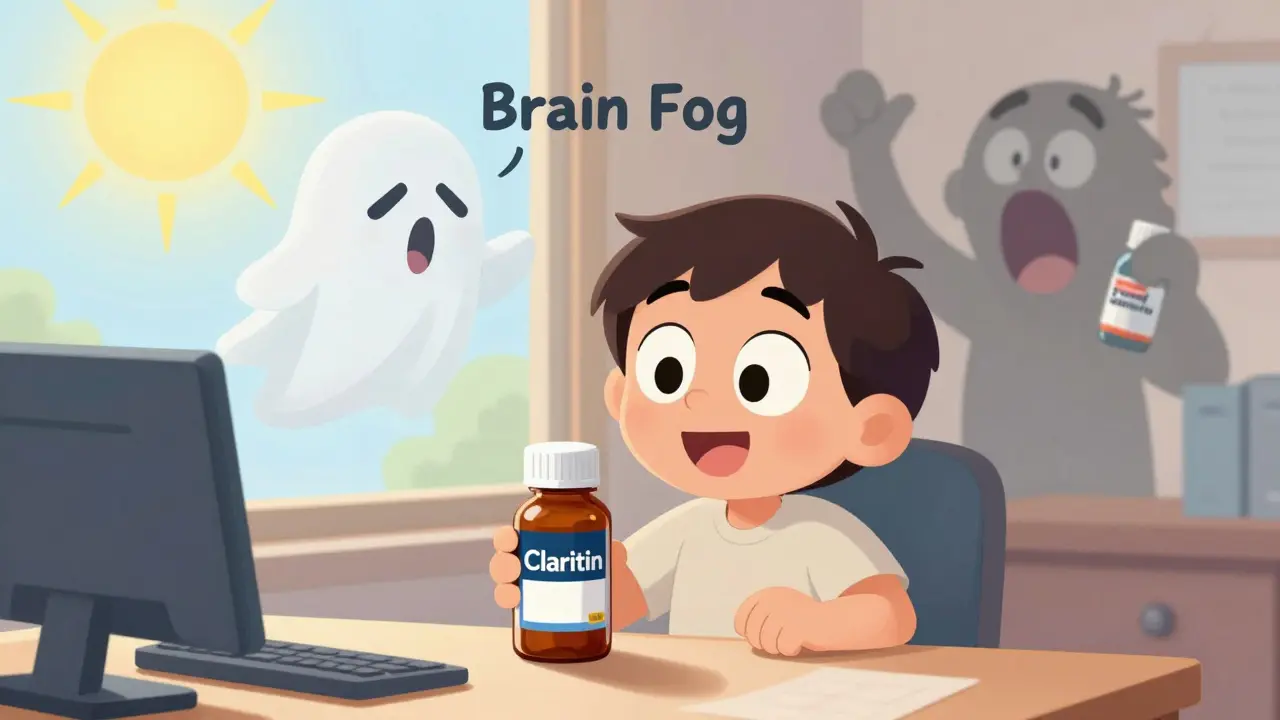
Not all antihistamines are created equal. Some, like diphenhydramine, knock you out within an hour—great for nighttime use, terrible for driving or working. Others, like loratadine or cetirizine, are labeled "non-drowsy" because they barely cross into your brain. But even "non-drowsy" ones can still cause dry mouth, blurry vision, or constipation in some people. And if you’re taking other meds—like painkillers, antidepressants, or even heart medications—antihistamines can interact in ways you won’t expect. A simple cold medicine combo might leave you dizzy or confused if it contains more than one antihistamine. That’s why knowing what’s in your bottle matters more than you think.
Antihistamines are also used for more than just seasonal allergies. They help with motion sickness, hives from food reactions, and even some types of vertigo. But they’re not a cure. They just quiet the noise your body makes when it thinks it’s under attack. And if your symptoms keep coming back, it’s not that the antihistamine stopped working—it’s that your body’s still reacting. That’s when you need to look at triggers, not just pills.
You’ll find posts here that dig into why some people swear their generic antihistamine doesn’t work like the brand name, even though they’re chemically the same. Others explain how antihistamines can hide symptoms of something more serious, like anaphylaxis, making you think you’re fine when you’re not. There’s also advice on avoiding dangerous mixes—like taking them with alcohol or sleep aids—and how to tell if your symptoms are allergies or something else entirely.
What you’ll see below isn’t just a list of articles. It’s a practical guide to using antihistamines safely, understanding why they sometimes fail, and spotting the red flags when they’re doing more harm than good. Whether you’ve been taking them for years or just started, there’s something here that’ll make you think twice about that bottle in your medicine cabinet.