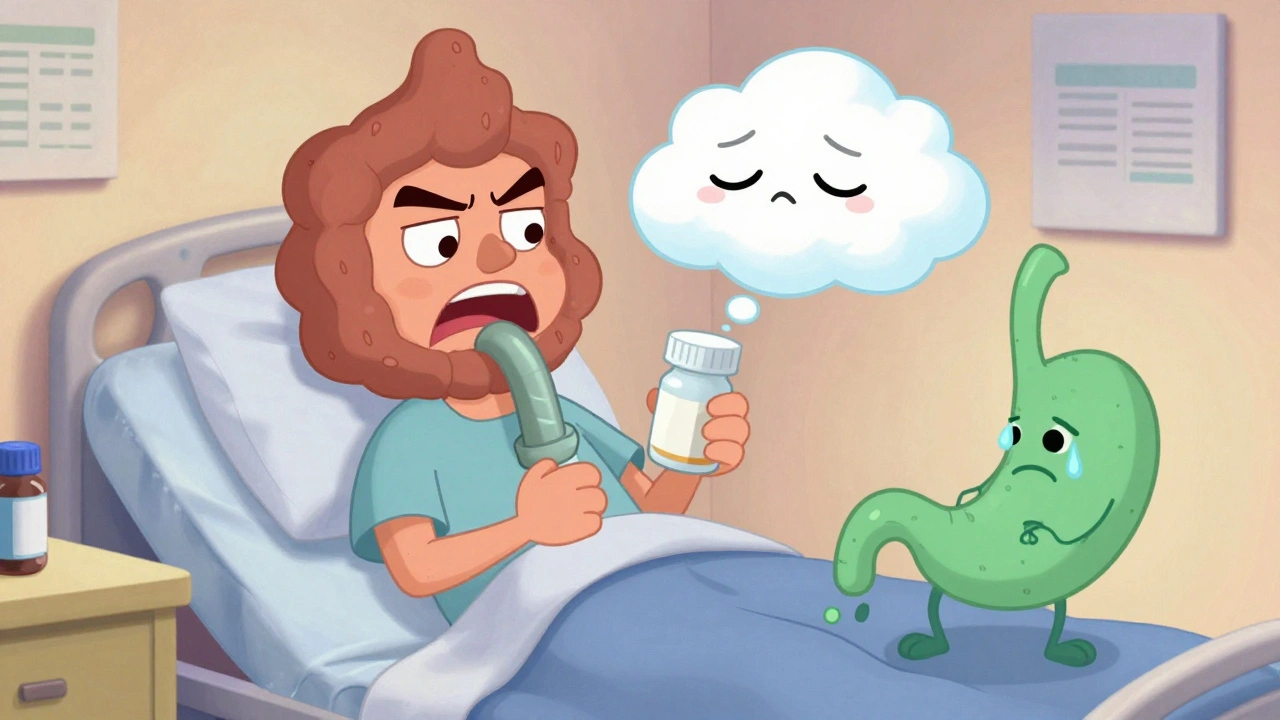
Drowsiness from Pain Meds: Why It Happens and How to Stay Safe
When you take pain meds like drowsiness from pain meds, a common and potentially dangerous side effect caused by central nervous system depression from certain medications. Also known as medication-induced fatigue, it’s not just feeling tired—it’s slowed reaction time, fuzzy thinking, and sometimes falling asleep without warning. This isn’t just an annoyance. It’s a safety risk. People on opioids, muscle relaxants, or even some NSAIDs with sedating properties end up in accidents, miss work, or hurt themselves because they didn’t realize how much the drug was slowing them down.
The real problem? Not everyone feels drowsy the same way. Someone might take oxycodone and feel fine, while another person on the same dose can’t keep their eyes open. Why? It depends on your metabolism, age, other meds you’re taking, and even what you ate that day. opioid side effects, a group of reactions including sedation, constipation, and respiratory depression that vary by drug and individual aren’t just about the pill—it’s how your body handles it. Drugs like codeine, hydrocodone, and tramadol are especially known for this. Even gabapentin and certain muscle relaxants like cyclobenzaprine can make you feel like you’re moving through molasses. And here’s the scary part: you might not even realize how impaired you are. Studies show people on sedating pain meds often think they’re fine to drive—until they’re not.
It’s not just about avoiding the wheel. Drowsiness from pain meds can mess with your job, your parenting, even your ability to follow medical instructions. If you’re on long-term pain meds, you need to track how you feel—not just your pain level. Keep a simple log: time of dose, how sleepy you felt an hour later, whether you had trouble concentrating. Talk to your doctor if you’re nodding off during the day. There are often alternatives—like switching to a less sedating opioid, adjusting the dose, or adding non-drug therapies like physical therapy or nerve blocks. sedating painkillers, medications that depress brain activity to reduce pain but also cause sleepiness and reduced alertness aren’t the only option. And if you’re combining them with alcohol, antihistamines, or sleep aids, you’re playing with fire. One wrong mix can stop your breathing.
You’re not alone in this. Millions take pain meds every day and deal with this side effect. But most don’t know how to manage it properly. Below, you’ll find real, practical posts that break down exactly which drugs cause the most drowsiness, how to spot early warning signs, what to do if you’re already feeling it, and how to talk to your doctor without sounding like you’re complaining. No fluff. No guesswork. Just what works—and what doesn’t.