Drug Cost Control: How Generics, Global Prices, and Legal Risks Shape Your Medication Bills
When you hear drug cost control, the practice of reducing medication expenses through policy, generics, and smarter prescribing. Also known as pharmaceutical cost management, it's not just about picking the cheapest pill—it's about understanding why that pill might be missing from your pharmacy, or why it costs more in your country than in Canada or India. The truth is, drug cost control doesn’t work the same way everywhere. A generic version of a common antibiotic might cost $2 in India, $15 in the U.S., and not even be approved for sale in your country at all. Why? Because drug pricing isn’t based on production cost—it’s based on patents, regulations, and who’s allowed to sell what.
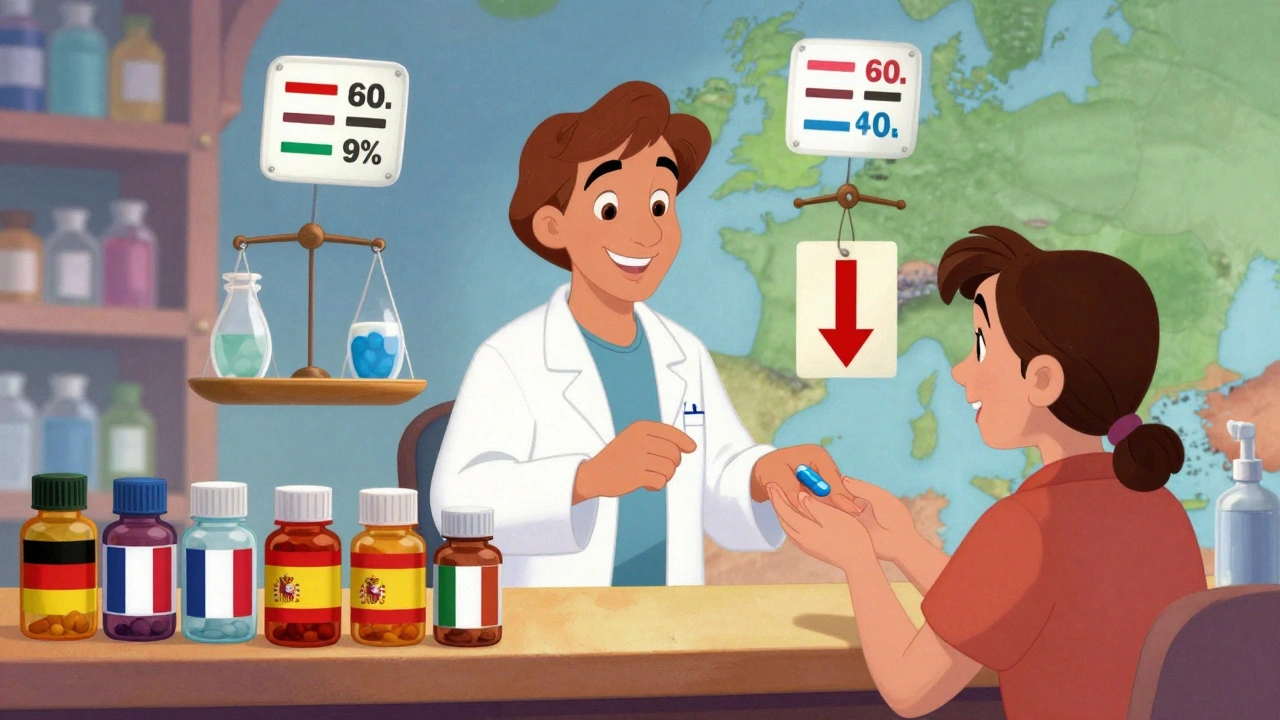
Behind every price tag is a system of players: manufacturers, regulators, pharmacies, and even doctors. generic drugs, medications approved by the FDA as bioequivalent to brand-name drugs but sold at lower prices. Also known as off-patent drugs, they’re supposed to be the backbone of cost control. But here’s the catch: not all generics are created equal. Some complex ones—like inhalers or topical creams—take years to get approved because proving they work the same as the brand is incredibly hard. And even when they’re approved, your doctor might avoid prescribing them because of physician liability, the legal risk doctors face when prescribing generics, since manufacturers can’t be sued for side effects. Also known as generic prescribing risk, it’s a hidden reason why you’re sometimes given the more expensive option. Meanwhile, global drug prices, the wildly different costs of the same medication across countries due to pricing laws, subsidies, and import rules. Also known as international drug pricing, they reveal how arbitrary the system can be. One study found that a common diabetes drug costs 20 times more in the U.S. than in the U.K.—and it’s the exact same chemical.
And it’s not just about price. Counterfeit pills, expired imports, and misleading online pharmacies make cost control even trickier. If you’re buying meds online because they’re cheaper, you might be risking your life. The FDA saves billions each year by approving generics—but those savings don’t always reach your pharmacy shelf. Some years, dozens of new generics hit the market and prices drop fast. Other years, only a few come out, and big companies find ways to delay competition. Meanwhile, side effects from common drugs—like drowsiness from antihistamines or constipation from opioids—can force you to switch to pricier alternatives. Even your diet can interfere: eating high-potassium foods while on ACE inhibitors might land you in the hospital, forcing more expensive treatments. This isn’t just about money. It’s about safety, access, and who gets left behind when the system doesn’t work.
Below, you’ll find real stories from people who’ve faced these issues: the family who saved a life with naloxone, the worker who switched antihistamines to stay safe on the job, the patient who discovered their "generic" was actually fake. These aren’t abstract policy debates—they’re everyday battles over what you pay, what you get, and whether you can trust it.