GMP Compliance: What It Means for Safe Medications and Why It Matters
When you take a pill, you expect it to work the same way every time — no surprises, no hidden dangers. That’s where GMP compliance, Good Manufacturing Practices that ensure medicines are consistently produced and controlled according to quality standards. Also known as cGMP, it’s the invisible safety net behind every prescription, over-the-counter drug, and generic pill you buy. Without it, a pill labeled as fentanyl could be chalk. A generic version of metformin might contain half the active ingredient. Or worse — it could carry deadly contaminants like those found in fake opioid pills linked to overdose deaths.
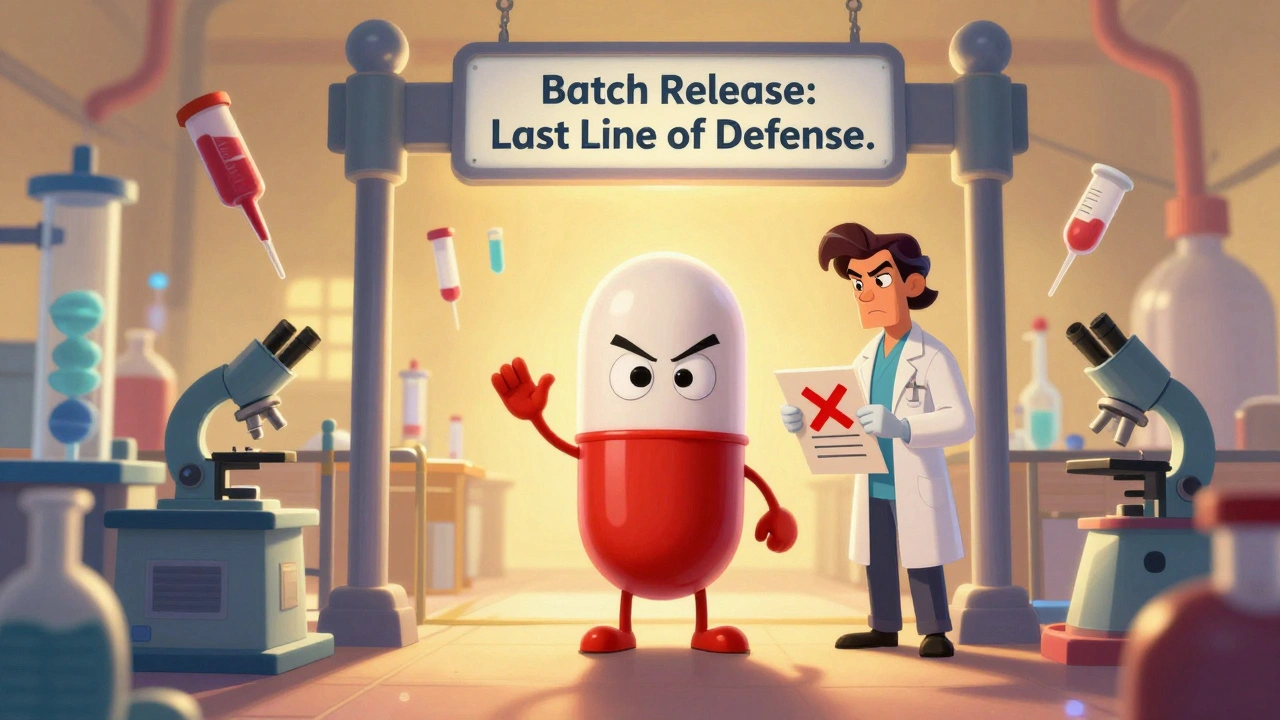
GMP compliance isn’t just paperwork. It’s a system that forces drug makers to track every step: where raw materials come from, how equipment is cleaned, how batches are tested, and who signs off before a box leaves the factory. This is why the same drug costs less in some countries — not because it’s weaker, but because some places enforce GMP strictly, while others don’t. Countries using international reference pricing, a method where governments set drug prices by comparing costs across nations often demand GMP-certified suppliers to avoid buying unsafe generics. In the U.S., where FDA generic approvals, the process that allows cheaper versions of brand-name drugs to enter the market after patent expiry happen daily, GMP is the only thing keeping counterfeit drugs out of pharmacies and online stores.
Look at the posts below. They all tie back to this one rule: if a drug doesn’t follow GMP, it’s a gamble with your life. Fentanyl in counterfeit pills? That’s a GMP failure. Generic drugs that feel less effective? Sometimes it’s not perception — it’s inconsistent manufacturing. Naloxone you can’t trust to work in an emergency? That’s a GMP issue too. Even something as simple as how you store your meds at home matters — GMP includes proper packaging to prevent moisture, heat, and contamination. The difference between a life saved and a tragedy avoided often comes down to whether the company behind that pill followed the rules.
These aren’t abstract regulations. They’re the reason you can take a pill without wondering if it’s real. And when you see headlines about fake meds, dangerous side effects, or pricing chaos — it’s almost always because GMP was ignored, bypassed, or never enforced. Below, you’ll find real stories, real risks, and real solutions — all rooted in the same truth: safe medicine starts with strict manufacturing. Know what to look for. Know what to ask. And know that your health depends on more than just a prescription.