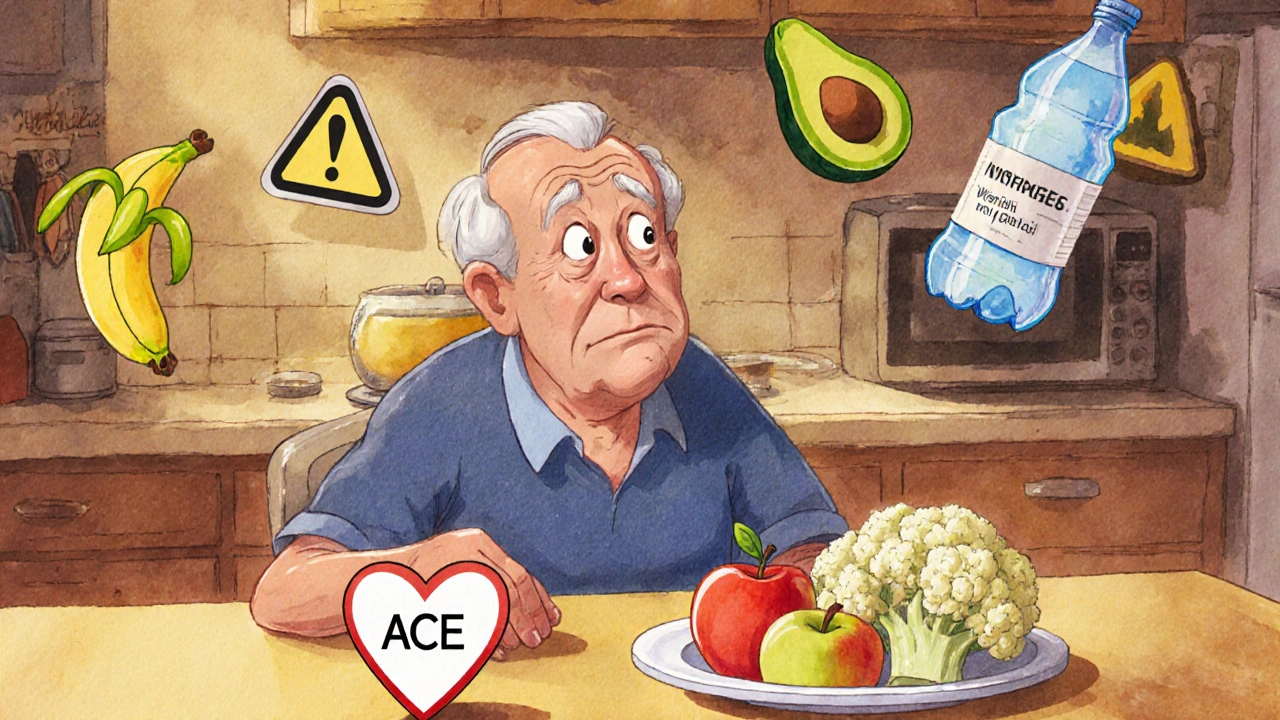
Hyperkalemia: Causes, Risks, and Medications That Raise Potassium
When your blood potassium levels climb too high, you’re dealing with hyperkalemia, a condition where excess potassium in the bloodstream disrupts heart and muscle function. Also known as high potassium, it doesn’t always cause symptoms—but when it does, it can trigger irregular heartbeats, muscle weakness, or even cardiac arrest. Many people don’t know they have it until a routine blood test or a sudden health crisis reveals the problem.
It’s not just about eating too many bananas. The real danger comes from kidney disease, a condition where damaged kidneys can’t filter potassium out of the blood. If your kidneys aren’t working right, even normal amounts of potassium can build up. And it gets worse when you’re taking common meds like ACE inhibitors, drugs used to lower blood pressure and protect kidneys, but that also reduce potassium excretion, or potassium-sparing diuretics, medications that help remove fluid without flushing out potassium. These are lifesavers for many—but they turn into hidden risks if potassium isn’t monitored.
Hyperkalemia doesn’t happen overnight. It’s often the result of a slow buildup—someone with mild kidney trouble starts taking a new blood pressure pill, adds a salt substitute, or switches to a high-potassium diet without realizing the combo is dangerous. That’s why people on long-term meds for high blood pressure, heart failure, or diabetes need regular potassium checks. It’s not just about the drug—it’s about how your body responds to it over time.
You’ll find posts here that dig into exactly these risks: how certain drugs interact with kidney function, why creatine can muddy the waters on lab tests, and how anticholinergics or diuretics might push potassium levels into danger zones. Some articles show how to spot early signs before your heart skips a beat. Others break down how to safely restart meds after a break—because losing tolerance isn’t just about opioids, it’s also about potassium balance. You’ll see real-world connections between meds you’re already taking and the silent threat of high potassium. No fluff. Just what you need to know to stay safe.