Narcan How to Use: Essential Guide for Emergency Overdose Response
When someone overdoses on opioids, every second counts. Narcan, a brand name for naloxone, is a medication that can reverse an opioid overdose in minutes. Also known as naloxone, it works by kicking opioids off brain receptors and restoring normal breathing—no prescription needed in most places. It’s not a cure, and it’s not a high. It’s a reset button for a body shutting down.
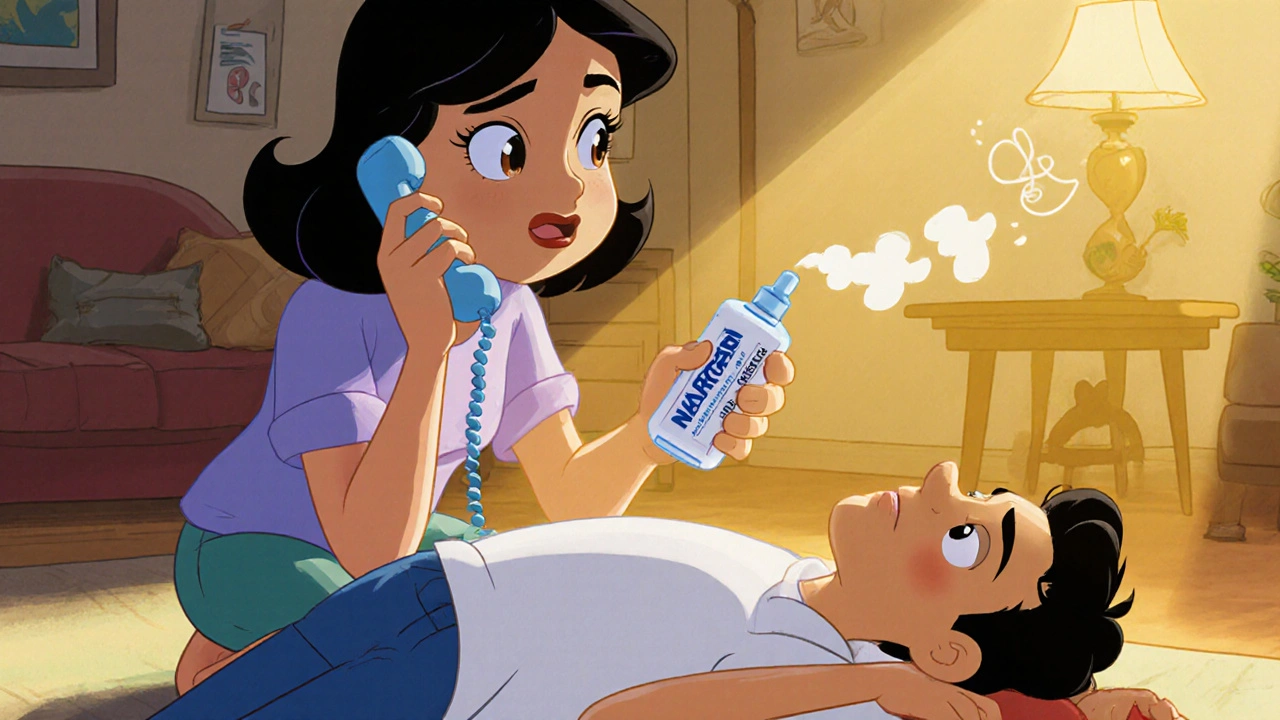
Narcan comes in two main forms: a nasal spray and an auto-injector. The nasal spray is the most common for bystanders—no needles, no training required. You don’t need to know if it’s heroin, fentanyl, or prescription painkillers. If someone is unresponsive, not breathing, or making strange gurgling sounds, spray one dose into one nostril. Flip them on their side. Call 911. Even if they wake up, they still need medical care. Naloxone wears off faster than most opioids, and the overdose can come back.
People who use opioids, their friends, family, or anyone who might be around someone at risk should have Narcan on hand. It’s not just for addicts—it’s for anyone taking pain meds long-term, especially if they’re mixing them with alcohol or benzodiazepines. Overdoses don’t always happen in alleys. They happen in living rooms, dorms, and nursing homes. And they happen fast.
Some worry that having Narcan encourages drug use. But data doesn’t support that. In cities where Narcan is freely distributed, overdose deaths drop. The goal isn’t to enable—it’s to keep people alive long enough to get help. Narcan doesn’t care why someone took the drug. It just wants them to breathe again.
After giving Narcan, stay with the person. Watch for signs the overdose is returning—slow breathing, blue lips, or unresponsiveness. If they don’t respond in 2–3 minutes, give a second dose. Keep doing CPR if they’re not breathing. Emergency services might take time to arrive. Your presence is the difference between life and death.
There’s no magic trick. No home remedy. No waiting it out. If you suspect an opioid overdose, act. Use Narcan. Call for help. Stay. These steps are simple, but they save lives. The posts below cover real-world scenarios: what happens after Narcan is given, how to store it properly, why some overdoses need multiple doses, and how it connects to other medications like benzodiazepines or antidepressants. You won’t find fluff here. Just what you need to know before the next emergency.