Opioid Side Effects: What You Need to Know Before Taking Them
When you take opioids, a class of powerful pain-relieving drugs that include prescription pills like oxycodone and illegal drugs like heroin. Also known as narcotics, they work by binding to receptors in your brain and spinal cord to block pain signals. But they also affect areas that control breathing, mood, and reward — which is why even short-term use can lead to serious side effects.
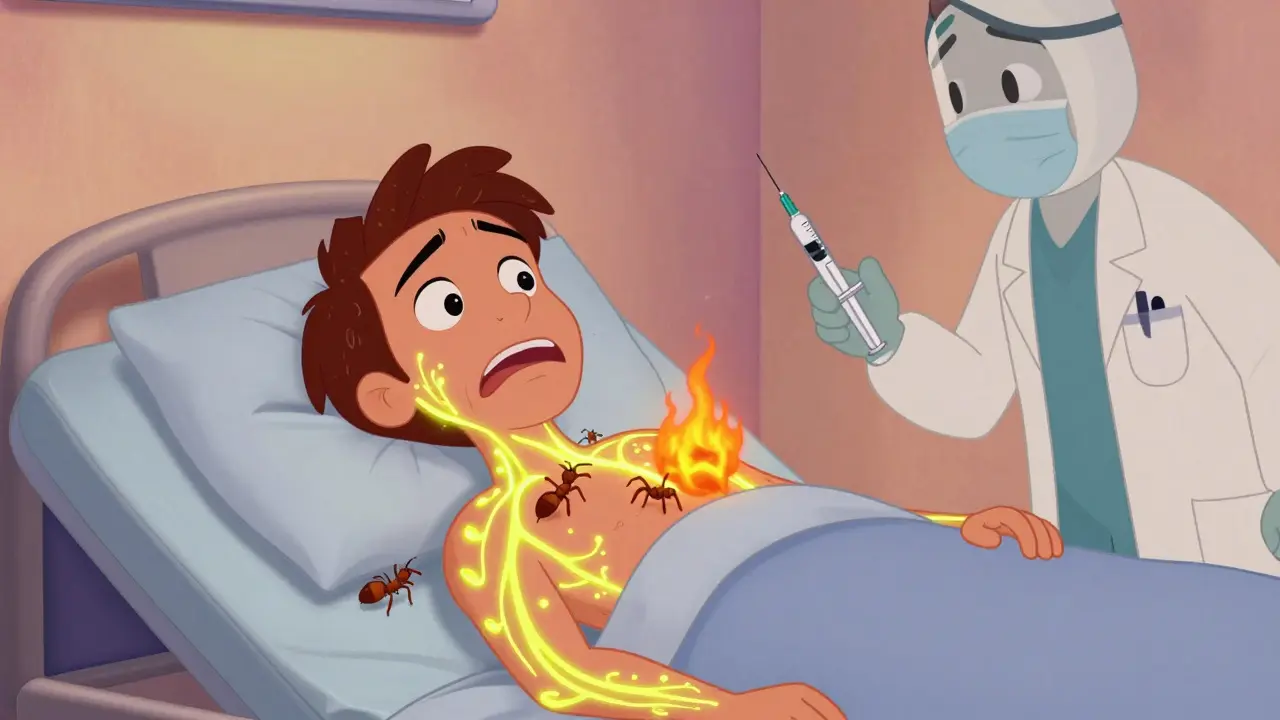
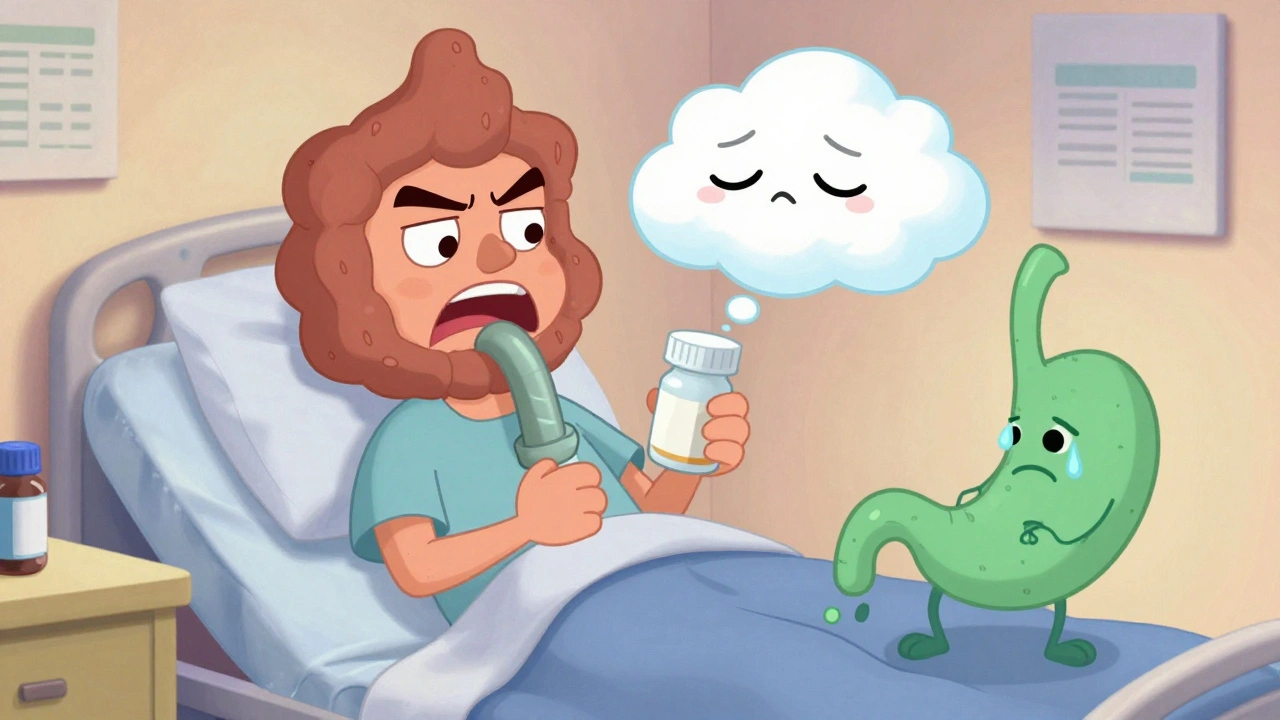
Common opioid side effects include drowsiness, nausea, constipation, and dizziness. These aren’t just annoyances — they can be dangerous. Slowed breathing is the most serious risk, especially when opioids are mixed with alcohol, benzodiazepines, or sleep aids. Even people taking them exactly as prescribed can develop tolerance, meaning they need higher doses over time to get the same relief. That’s where methadone, a long-acting opioid used to treat addiction and chronic pain and buprenorphine, a partial opioid agonist that reduces cravings with less risk of overdose come in. Both help manage opioid use disorder, but they come with their own side effects — like sweating, insomnia, or low blood pressure — that need careful monitoring.
One of the biggest dangers isn’t just taking opioids — it’s restarting them after a break. If you stop using them for even a few days, your body loses tolerance. Going back to your old dose can kill you. That’s why emergency plans with naloxone, a fast-acting drug that reverses opioid overdoses are critical for families and anyone using these medications. Naloxone doesn’t cure addiction, but it buys time. It’s not just for heroin users — it’s just as vital for someone taking prescribed painkillers after surgery or injury.
The posts below cover real-world situations you might not expect: how opioid side effects show up in people managing chronic pain, how treatment drugs like methadone and buprenorphine compare, what to do if someone overdoses, and why restarting medication after a break is so risky. You’ll find clear, no-fluff advice on recognizing warning signs, storing naloxone at home, and understanding the fine line between relief and danger. These aren’t theoretical warnings — they’re lessons from people who’ve lived through it. What you learn here could save a life — maybe even your own.