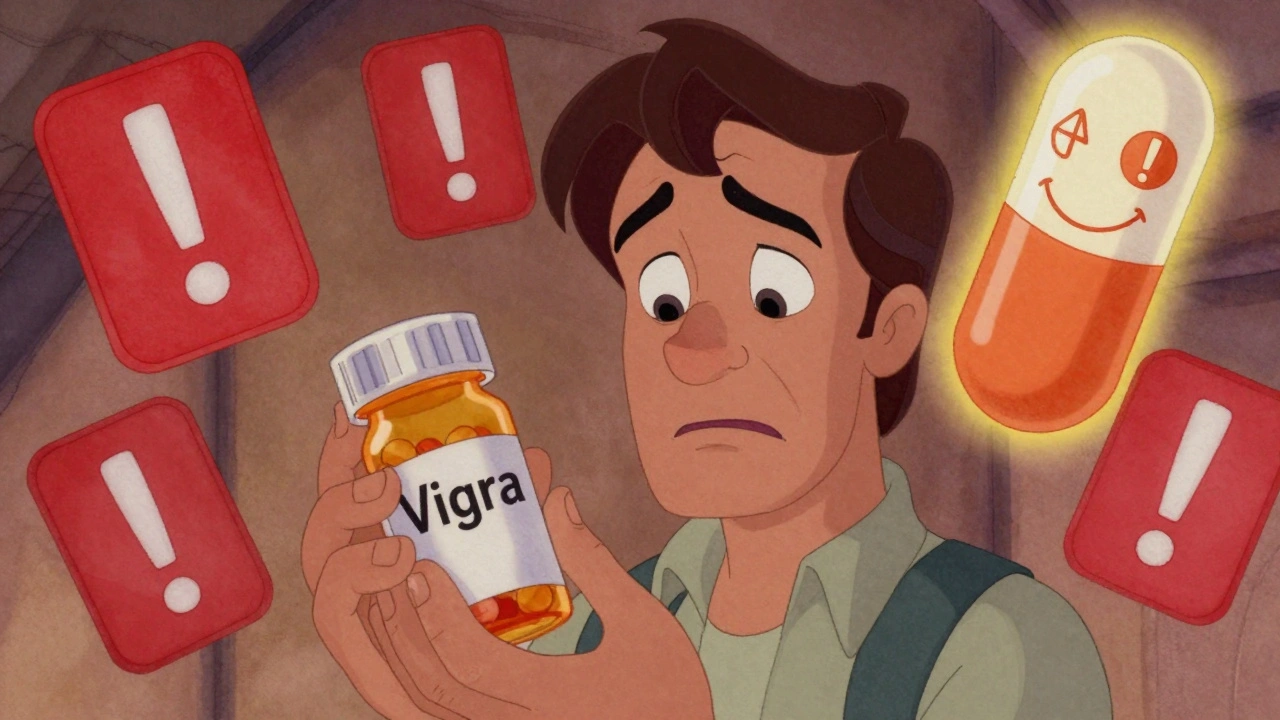
Counterfeit Medication Red Flags: What to Watch For
Counterfeit medications can be deadly. Learn the top red flags - from suspicious pricing to fake packaging - and what to do if you think you've been sold fake pills. Protect yourself and others.

When you buy medicine, you expect it to work—and to be safe. But counterfeit medicine, fake drugs that mimic real prescriptions but contain harmful or inactive ingredients. Also known as fake pills, these products are a growing global threat, especially online and in unregulated markets. The FDA estimates that 1 in 10 medicines worldwide are counterfeit. In some countries, that number jumps to 50%. These aren’t just ineffective—they can cause organ failure, allergic reactions, or even death.
Real medicine comes with consistent packaging, clear labeling, and reliable dosing. Counterfeit versions often have blurry text, misspelled words, or mismatched colors. You might notice pills that are oddly shaped, too hard or too soft, or have a strange taste. Some fake drugs contain rat poison, chalk, or even floor cleaner. Others have the right active ingredient but way too much—or way too little. That’s why counterfeit medications, fraudulent pharmaceuticals designed to deceive patients and providers are so dangerous: you can’t tell by how you feel. A fake painkiller might make you feel fine, but it won’t stop your infection. A fake antibiotic might seem to work at first, then let your illness explode.
Where do these fakes come from? Mostly from unlicensed online pharmacies, street vendors, or pharmacies that skip proper supply chain checks. Even some brick-and-mortar stores in certain regions sell counterfeit drugs. Always check if a pharmacy requires a prescription. If it doesn’t, walk away. Look for the Verified Internet Pharmacy Practice Sites (VIPPS) seal in the U.S. or equivalent certifications elsewhere. And never buy medicine from a social media ad or a text message link. drug safety, the practice of ensuring medications are genuine, properly stored, and correctly used starts with knowing where your pills come from.
You don’t need to be a pharmacist to spot red flags. Compare your new prescription to your last one—does the pill look different? Is the bottle cap sealed differently? Does the packaging feel cheap? If your medicine suddenly stops working—or makes you sick—ask your pharmacist to verify it. Many pharmacies can check batch numbers and trace supply chains. If something feels off, report it. Your life might depend on it.
Below, you’ll find real cases and clear guides on how to identify dangerous fakes—from diabetes pills that don’t lower blood sugar to heart meds that could trigger a stroke. These aren’t hypotheticals. People have died from these tricks. What you learn here could save your life—or someone you love.
Counterfeit medications can be deadly. Learn the top red flags - from suspicious pricing to fake packaging - and what to do if you think you've been sold fake pills. Protect yourself and others.