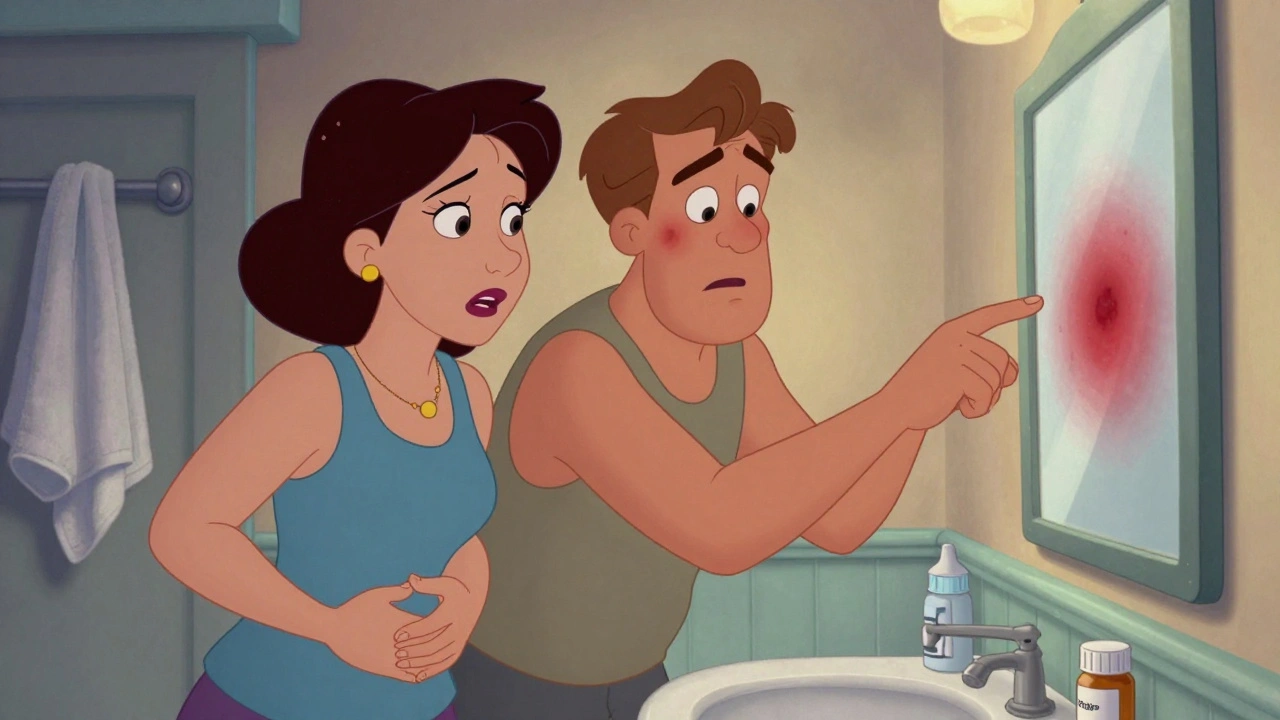
Emergency Signs: Recognize Life-Threatening Symptoms Before It's Too Late
When something goes wrong in your body, it doesn’t always scream. Sometimes it whispers—through a dull ache, a strange feeling in your chest, or sudden confusion. These are emergency signs, early warnings of conditions that can turn deadly within minutes if ignored. Also known as red flag symptoms, they’re not always obvious, but they’re critical to spot. You don’t need to be a doctor to recognize them. You just need to know what to look for.
Take opioid overdose, a leading cause of preventable death where breathing slows or stops entirely. The signs? Blue lips, pinpoint pupils, and unresponsiveness. It happens fast. But if you have naloxone nearby and know how to use it, you can reverse it in under five minutes. That’s not theory—it’s real, documented, and lives saved. Then there’s hyperkalemia, dangerously high potassium levels often caused by ACE inhibitors or kidney disease. It doesn’t hurt. It doesn’t swell. But it can stop your heart. The only warning? Fatigue, muscle weakness, or an irregular heartbeat—symptoms easily dismissed as "just tired." And drug-induced aseptic meningitis, a rare but serious reaction to certain meds that mimics bacterial meningitis, shows up with fever, stiff neck, and light sensitivity. Doctors miss it because they’re looking for infection, not a pill you took three days ago.
These aren’t isolated cases. They’re part of a pattern: emergency signs often look like minor annoyances until they’re not. A bloated stomach might be SIBO. Leg pain could be blocked arteries. A headache might be a drug reaction. The difference between life and death isn’t always a siren—it’s awareness. And that’s why this collection exists. Below, you’ll find clear, no-fluff guides on how to spot these hidden dangers, what to do when they show up, and how to avoid making the same mistakes others have. No jargon. No scare tactics. Just facts you can use today.