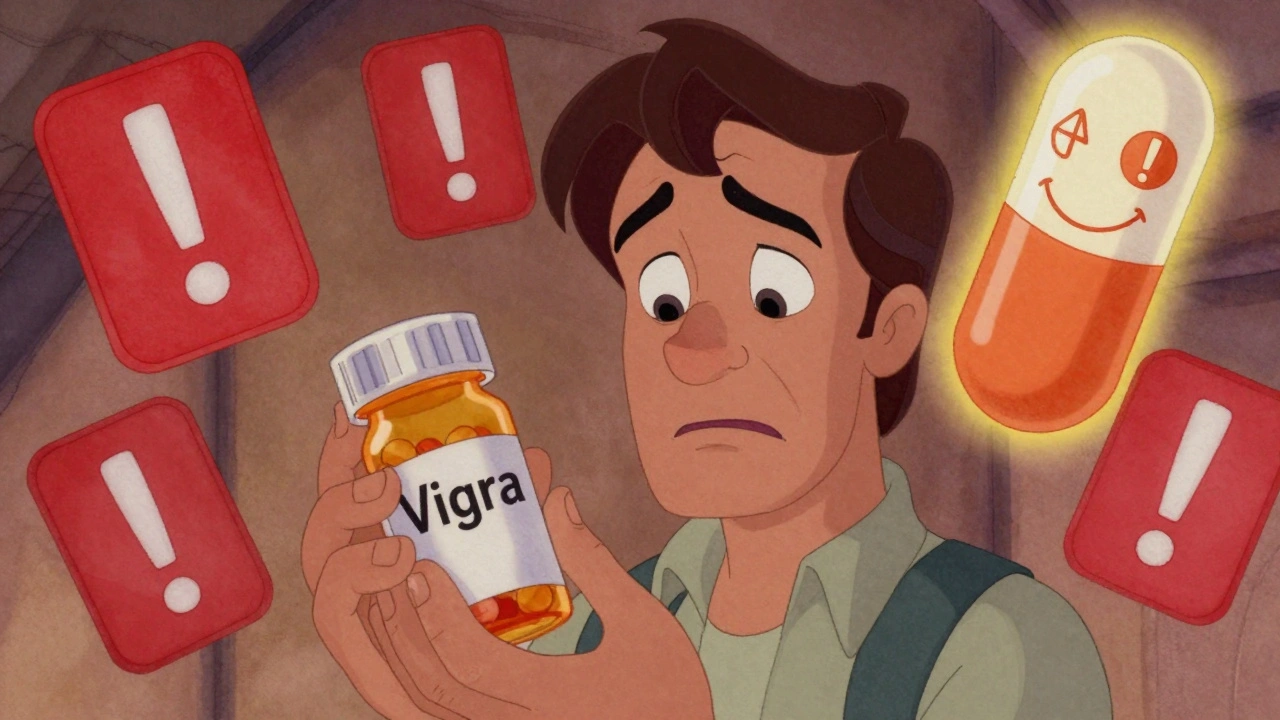
Counterfeit Medication Red Flags: What to Watch For
Counterfeit medications can be deadly. Learn the top red flags - from suspicious pricing to fake packaging - and what to do if you think you've been sold fake pills. Protect yourself and others.

When you pick up a prescription, you trust it’s the real thing. But fake medication, counterfeit drugs that mimic real prescriptions but contain wrong ingredients, no active compounds, or toxic substitutes. Also known as counterfeit drugs, these fakes are sold online, in unregulated pharmacies, or even slipped into legitimate supply chains. They don’t just fail to work—they can kill you. The FDA estimates that 1 in 10 medications worldwide are fake, and in some regions, that number climbs to 50%. These aren’t just missing active ingredients—they often contain rat poison, floor cleaner, or chalk. And because they look identical to real pills, most people never know the difference until it’s too late.
One of the biggest dangers comes from generic drugs, legally approved copies of brand-name medications that must meet strict FDA standards for safety and effectiveness. Also known as bioequivalent drugs, generics save billions every year—but criminals exploit their widespread use to pass off fake pills as cheap alternatives. A fake version of metformin might look just like Glycomet SR, but if it contains no active ingredient, your diabetes spirals out of control. Or worse, if it’s laced with heavy metals, you’re poisoning yourself slowly. The same goes for blood pressure meds like Hyzaar or painkillers like Voveran. A fake pill won’t lower your BP—it might trigger a stroke. Then there’s the rise of drug authenticity, the process of verifying whether a medication is genuine through packaging, batch codes, or digital verification tools. Also known as medication verification, this is no longer optional. With online pharmacies booming and delivery apps handling prescriptions, you can’t assume the source is safe. Even if the website looks professional, the pill inside could be deadly. Fake opioid pills, for example, are often laced with fentanyl. One pill can kill. That’s why naloxone nasal spray is now carried by families and first responders—it’s the only thing that can reverse an overdose from a counterfeit pill.
So how do you protect yourself? Check the packaging for spelling errors, mismatched colors, or odd smells. Compare your pill to images on the FDA’s website. If your pharmacy doesn’t have a physical address or license you can verify, walk away. Never buy from websites that don’t require a prescription. And if you notice your medication suddenly doesn’t work—or makes you feel worse—get it tested. Your life isn’t worth the risk.
Below, you’ll find real stories and expert breakdowns on how fake medication slips through the system, how to spot it, and what to do if you’ve been exposed. From diabetes drugs to painkillers, the dangers are everywhere—but so are the solutions.
Counterfeit medications can be deadly. Learn the top red flags - from suspicious pricing to fake packaging - and what to do if you think you've been sold fake pills. Protect yourself and others.