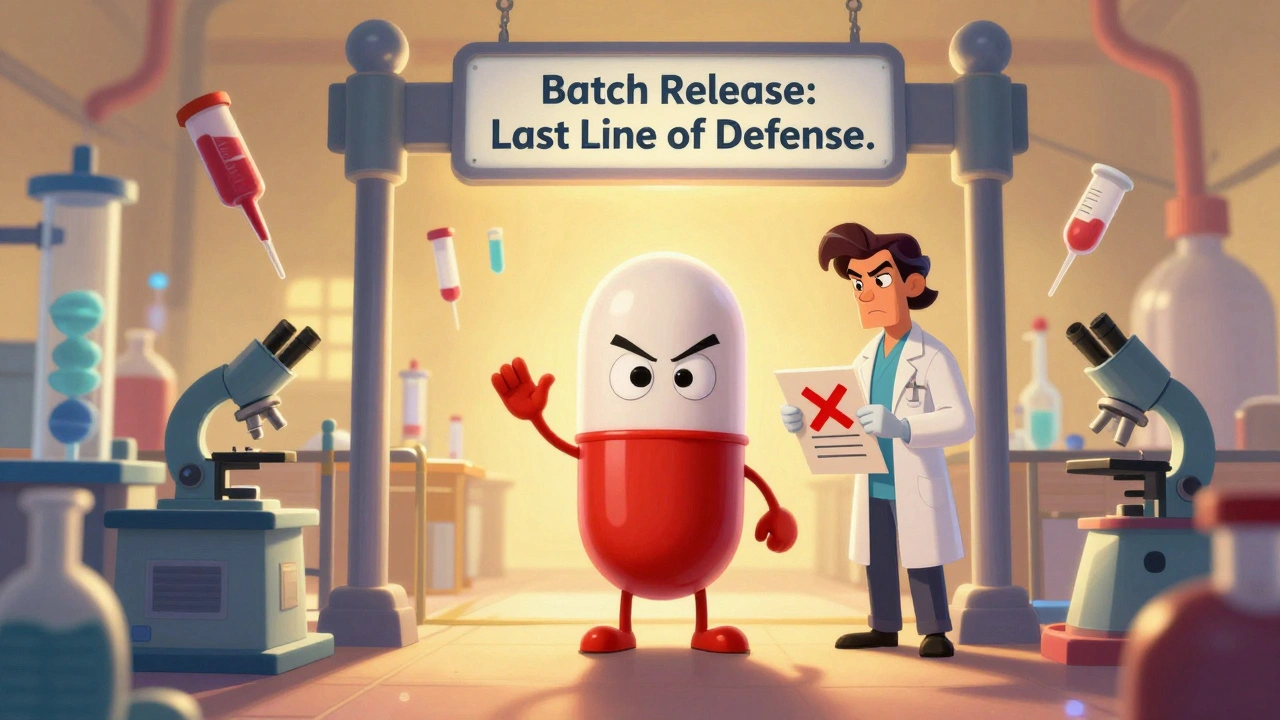
Quality Assurance in Medication: What It Really Means for Your Safety
When you take a pill, you expect it to do what it says on the label. That’s not luck—it’s quality assurance, the system of checks and standards that ensures medicines are safe, effective, and made the same way every time. Also known as pharmaceutical quality control, it’s the invisible guardrail between you and dangerous mistakes like fake fentanyl pills or pills that don’t contain the right dose. Without it, a generic pill bought online could be sugar, a toxic chemical, or a completely different drug altogether.
Quality assurance isn’t just about testing the final product. It starts at the factory—checking raw ingredients, monitoring how pills are pressed, verifying that the active ingredient stays stable over time. This is why some generic drugs, medications that are chemically identical to brand-name versions but sold under a different name. Also known as generic medication, they can still cause confusion. Some people swear their generic version doesn’t work like the brand. That’s rarely because the drug is different—it’s often because the inactive ingredients change how fast it’s absorbed, or because of placebo effects. But sometimes, it’s because the manufacturer skipped steps. The FDA approves generics, but not every batch gets tested. That’s why international drug prices vary so wildly: countries with weaker quality assurance let cheaper, unverified pills flood the market.
Counterfeit medication is the most dangerous failure of quality assurance. Fake pills look real, but they can contain lethal doses of fentanyl, no active ingredient, or even rat poison. The FDA approval, the official U.S. government process that verifies a drug’s safety, strength, and manufacturing quality before it can be sold. Also known as drug regulatory approval, it is one of the strictest in the world. But if you buy pills from a website that doesn’t require a prescription, you’re bypassing all of it. That’s why red flags like prices that seem too good to be true, misspelled labels, or pills that look slightly off matter. Quality assurance doesn’t just protect your wallet—it protects your life.
And it’s not just about pills. Injectable drugs, inhalers, creams—all of them need different kinds of testing. Complex generics like asthma inhalers or topical gels are harder to copy because small changes in how they’re made change how they work. That’s why some of them take years to get approved. But when they do, it’s because someone checked every step: the chemical purity, the packaging seal, the shelf life, even how the bottle opens. That’s quality assurance. It’s not glamorous. It’s not talked about. But every time you take a medication and it works as expected, that’s the result of thousands of checks you never saw.
Below, you’ll find real stories from people who’ve encountered fake drugs, saved lives with naloxone after a bad batch, or struggled with inconsistent generics. You’ll learn how countries control prices, how to spot a counterfeit, and why your doctor might switch your prescription. This isn’t theory. It’s what happens when quality assurance works—or when it doesn’t.