International Reference Pricing: Why Drug Costs Vary Across Countries
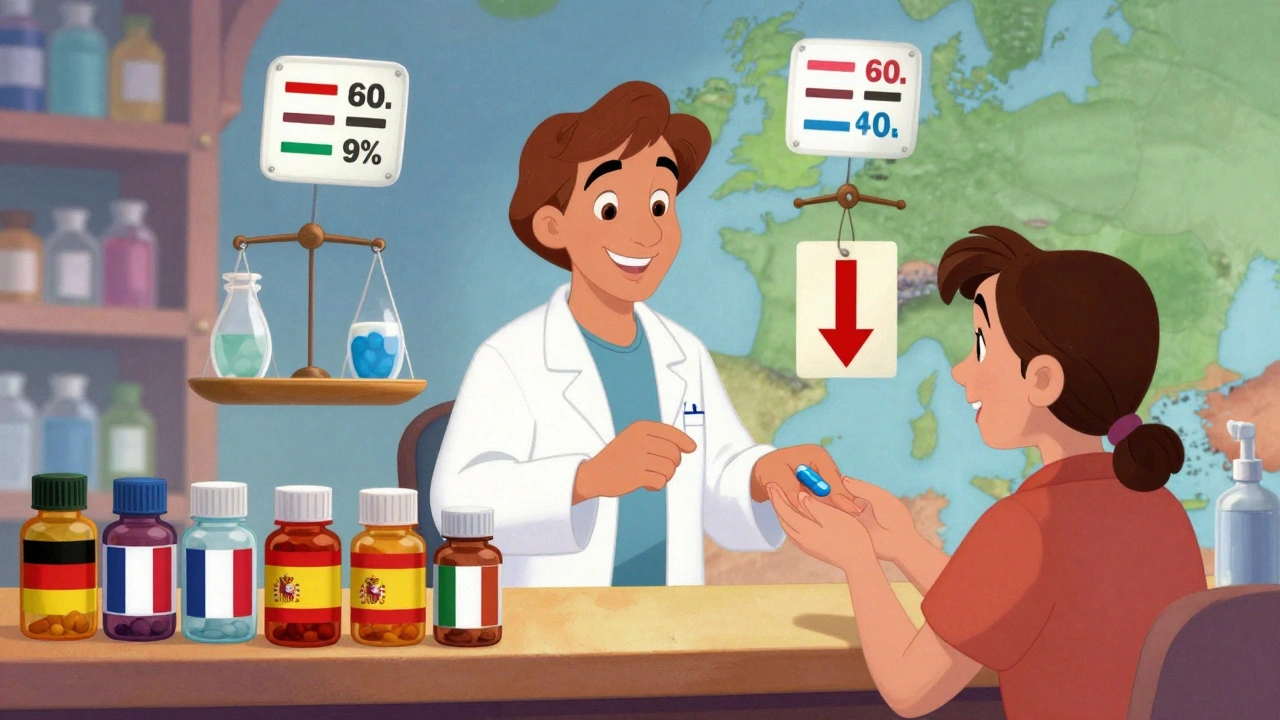
When you hear international reference pricing, a system where countries set drug prices by comparing what other nations pay. Also known as external pricing, it's how governments try to keep medications affordable without negotiating each drug individually. It sounds simple—just look at what Canada, Germany, or Australia pay and match it. But in practice, it creates wild differences in what you pay at the pharmacy, even for the exact same pill.
This system directly affects generic drugs, lower-cost versions of brand-name medications that are supposed to be identical in effectiveness. In some countries, generics are widely available and cheap because their governments use international reference pricing to push prices down. In others, like the U.S., those same generics can cost 5x, 10x, or even more because there’s no centralized price control. And here’s the twist: sometimes the pills aren’t even the same. Different manufacturers, different fillers, different packaging—same active ingredient, but not always the same experience.
It’s not just about generics. drug pricing differences, the gap between what one country pays versus another for the same medicine also impact access to life-saving treatments. A cancer drug priced at $10,000 in the U.S. might cost $2,000 in the U.K. because the NHS uses reference pricing to block high prices. That’s why people travel abroad for medication or buy from international pharmacies—because they have no other choice. But this creates risks: counterfeit drugs, shipping delays, and no legal protection if something goes wrong.
Behind every price tag is a policy decision. Countries that use international reference pricing often have universal healthcare systems. Those that don’t—like the U.S.—let manufacturers set prices freely, and insurers or patients pick up the cost. The result? One drug, multiple prices, and a system that rewards profit over fairness. And while some argue this drives innovation, others point out that the same research often gets funded by public money, yet the public pays the highest price for the final product.
What you’ll find in the posts below is a real-world look at how this plays out. From why the same generic pill costs ten times more overseas to how counterfeit drugs thrive in unregulated markets, these stories show the human side of pricing policies. You’ll see how international reference pricing shapes access to painkillers, diabetes meds, and even naloxone. It’s not just economics—it’s about who gets treated, who gets left behind, and why the system keeps breaking down.