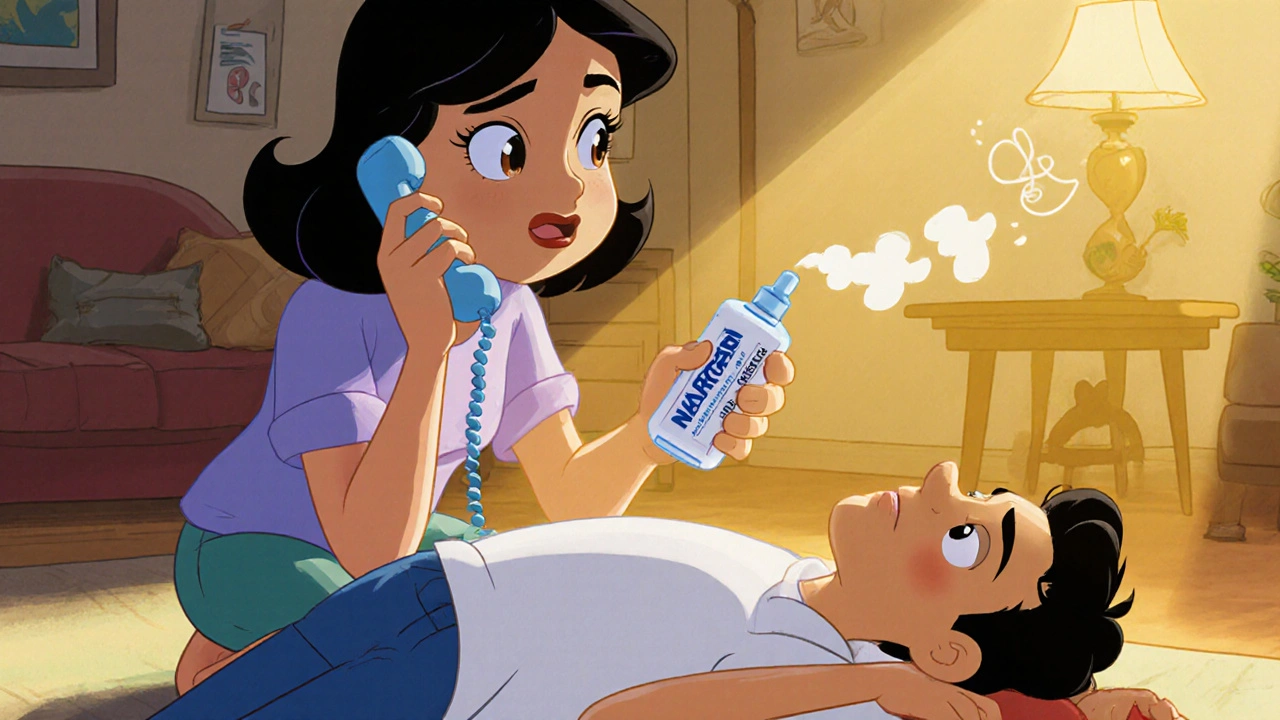
Overdose Rescue: How to Save a Life When It Matters Most
When someone stops breathing because of an overdose rescue, the immediate actions taken to reverse a life-threatening drug reaction, often using naloxone or other emergency interventions. Also known as drug reversal, it's not just for people with addiction—it’s for anyone who takes meds after a break, mixes substances, or accidentally takes too much. The truth? Most overdoses happen because someone thought they were safe. They didn’t know their tolerance dropped. They didn’t realize their painkiller had changed brands. They didn’t know their friend was hiding a relapse. And then—silence.
Naloxone, a fast-acting medication that blocks opioids and can reverse an overdose within minutes is the most reliable tool we have. It’s not magic. It won’t fix everything. But it buys time. And time is everything. You don’t need a prescription to carry it. You don’t need to be a doctor. You just need to know where to find it and how to use it. It comes as a nasal spray or an auto-injector. Both work. Both save lives. And if you’ve ever taken opioids, benzodiazepines, or even antidepressants after a break, you’re at risk. Your body forgets how to handle the dose. That’s why restarting meds without a plan is one of the leading causes of accidental overdose.
It’s not just about opioids. Overdose rescue also applies to acetaminophen, a common painkiller that causes silent liver failure when taken in excess. People don’t realize they’re doubling up—Tylenol in their cold medicine, Tylenol for their headache, Tylenol for their fever. No one screams. No one collapses. Their liver just shuts down over hours. And by the time they feel sick, it’s too late. That’s why knowing the safe daily limit isn’t optional—it’s survival.
Overdose rescue isn’t about blame. It’s about preparation. It’s about keeping naloxone in your glovebox, your medicine cabinet, your backpack. It’s about teaching your roommate how to use it. It’s about knowing that if you’ve been off opioids for a week, you don’t start back at your old dose. You start lower. Much lower. And you never do it alone.
Below are real stories and science-backed guides on how to prevent overdose before it happens, how to respond when it does, and how to safely restart medications after a break. These aren’t theory pieces. They’re tools. Used by people who’ve been there. Used by families who lost someone. Used by doctors who refuse to let it happen again.