PAD Symptoms: What to Watch For and How to Respond
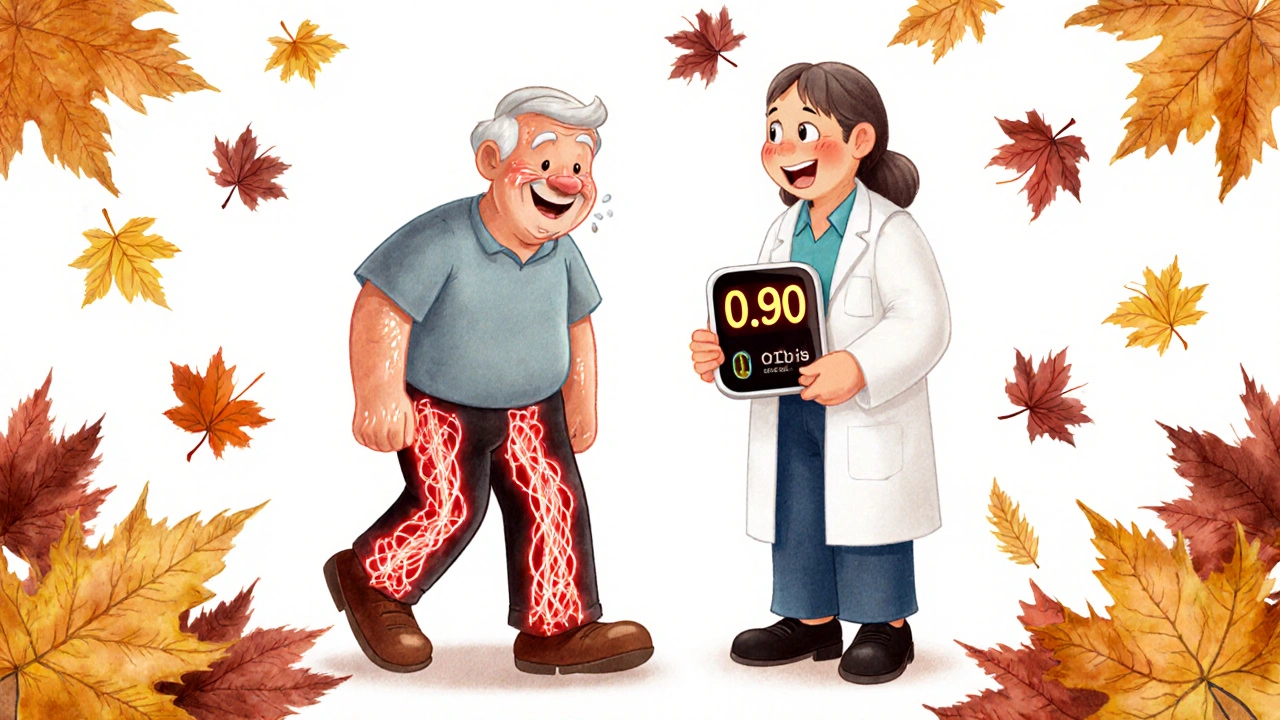
When your legs ache when you walk—especially if the pain goes away when you rest—it’s not just aging. It could be peripheral artery disease, a condition where narrowed arteries reduce blood flow to your limbs. Also known as PAD, this is more than discomfort—it’s a warning sign your heart and blood vessels are under stress. PAD doesn’t always cause obvious symptoms, but when it does, the most common one is claudication, cramping or fatigue in the legs during activity that eases with rest. This isn’t muscle strain. It’s your muscles screaming for oxygen because blood can’t get through clogged arteries.
Many people ignore these signs, thinking it’s just getting older or out of shape. But PAD is linked to serious risks: heart attack, stroke, and even limb loss. If you’re over 50, smoke, have diabetes, or high blood pressure, your risk goes up fast. The good news? Catching it early means you can stop it from getting worse. Lifestyle changes, medication, and sometimes procedures can keep you moving. The key is recognizing the pattern: pain that comes with walking, fades with rest, and returns when you start again. That’s not normal. That’s your body asking for help.
Other signs you shouldn’t brush off: cold feet, slow-healing sores on your legs or toes, shiny skin, or hair loss on your lower legs. Men might notice erectile dysfunction as an early signal. These aren’t random issues—they’re all connected to poor circulation. If you’ve been told your leg pain is "just arthritis," ask if PAD has been ruled out. Too many people wait until the pain is constant, even at rest, before seeking help. By then, damage may be advanced.
What you’ll find in the posts below isn’t just a list of symptoms. It’s a practical guide to what those symptoms mean, how they’re tested, and how they connect to other conditions like kidney disease, high blood pressure, and medication side effects. You’ll see how drugs like ACE inhibitors affect circulation, why some pain relievers can mask warning signs, and how things like creatine or diet can interfere with diagnosis. This isn’t theory. It’s what real people need to know to protect their health before it’s too late.