Patient Vigilance: How You Can Spot Fake Medicines and Protect Yourself
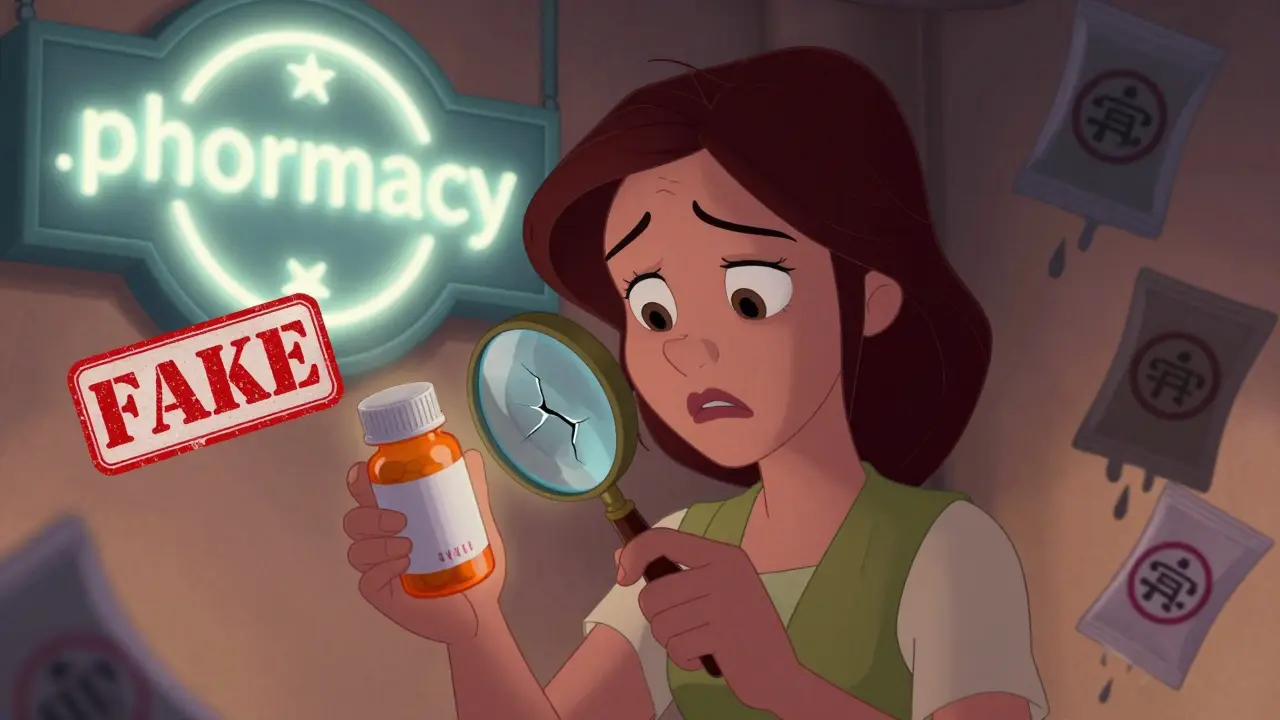
Learn how to spot counterfeit drugs by checking packaging, verifying online pharmacies, and using simple inspection tools. Your vigilance can prevent harm and save lives.

When you buy medicine, you expect it to work—counterfeit drugs, fake or illegally made medications that mimic real prescriptions but contain harmful or inactive ingredients. Also known as fake medications, these products can be deadly. They might have no active ingredient, too much of it, or dangerous chemicals like fentanyl, rat poison, or paint thinner. This isn’t science fiction—it’s happening right now, even in places you trust. The FDA estimates that 1 in 10 medications sold globally are fake, and online pharmacies make it easier than ever to accidentally buy them.
Counterfeit drugs aren’t just a problem in developing countries. They show up in online stores, social media ads, and even some local pharmacies with shady suppliers. You might think you’re saving money buying generic drugs, legally approved, lower-cost versions of brand-name medications from a website that looks legit—but without proper verification, you could be getting a fake. Even diabetes meds, prescription drugs like Jardiance or Farxiga used to control blood sugar and opioid overdose reversal drugs like naloxone have been counterfeited. A fake pill labeled as oxycodone might contain fentanyl and kill you in minutes. A fake naloxone spray won’t save someone’s life during an overdose.
How do you tell the difference? Look for spelling errors on packaging, mismatched colors, or pills that look odd—too shiny, too dull, or the wrong shape. Check the lot number and expiration date. Buy only from licensed pharmacies with a physical address and a verifiable phone number. Avoid websites that sell prescriptions without a doctor’s note. The counterfeit drugs market thrives on convenience and secrecy. If it seems too easy or too cheap, it probably is.
You’re not alone in worrying about this. Millions of people rely on medication every day, and the risk isn’t going away. That’s why we’ve collected real stories, expert advice, and practical guides here—like how to spot fake pills, what to do if you think you’ve taken one, and how to report suspicious products. You’ll find deep dives into how generics are made, why some people think they don’t work (and why that’s usually not true), and how drug safety systems are being hacked. This isn’t just about avoiding scams—it’s about staying alive.
Learn how to spot counterfeit drugs by checking packaging, verifying online pharmacies, and using simple inspection tools. Your vigilance can prevent harm and save lives.
Learn how the U.S. drug supply chain uses serialization, electronic tracking, and verified partners to stop counterfeit medicines before they reach patients. The DSCSA system has cut fake drug incidents by 63% since 2015.
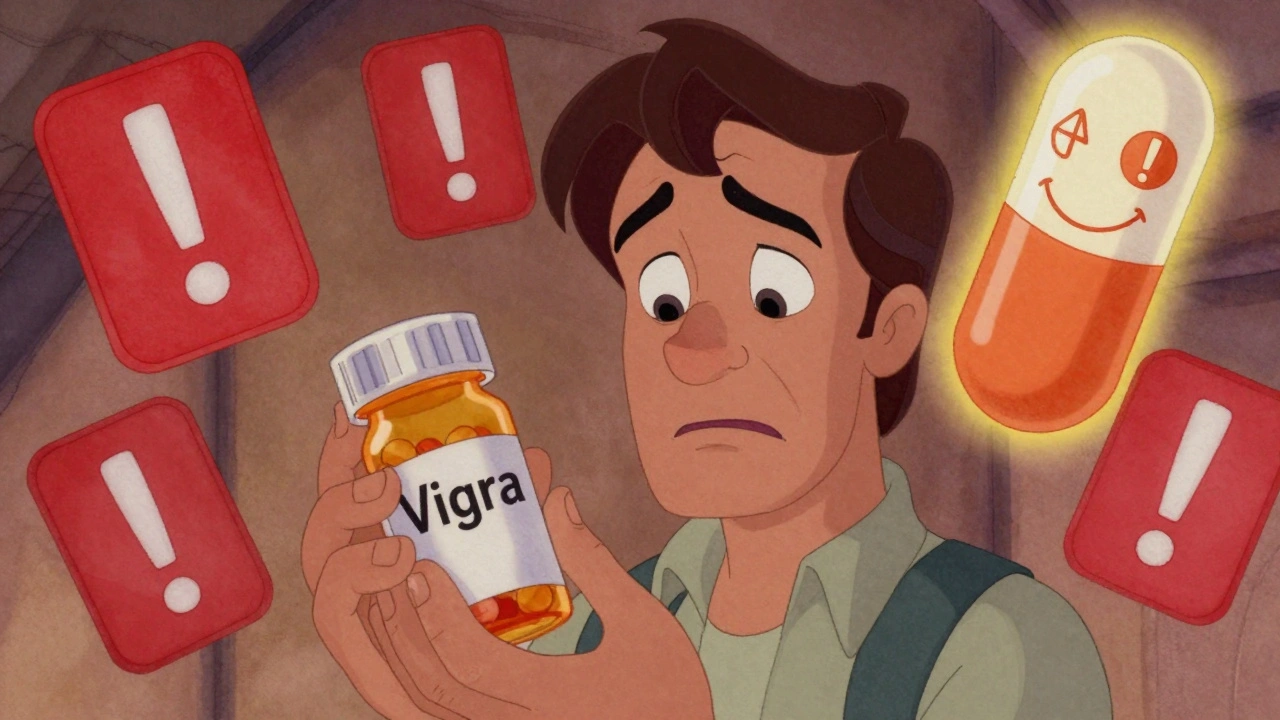
Counterfeit medications can be deadly. Learn the top red flags - from suspicious pricing to fake packaging - and what to do if you think you've been sold fake pills. Protect yourself and others.