Generic vs Brand Drug Prices: Complete Comparison Guide
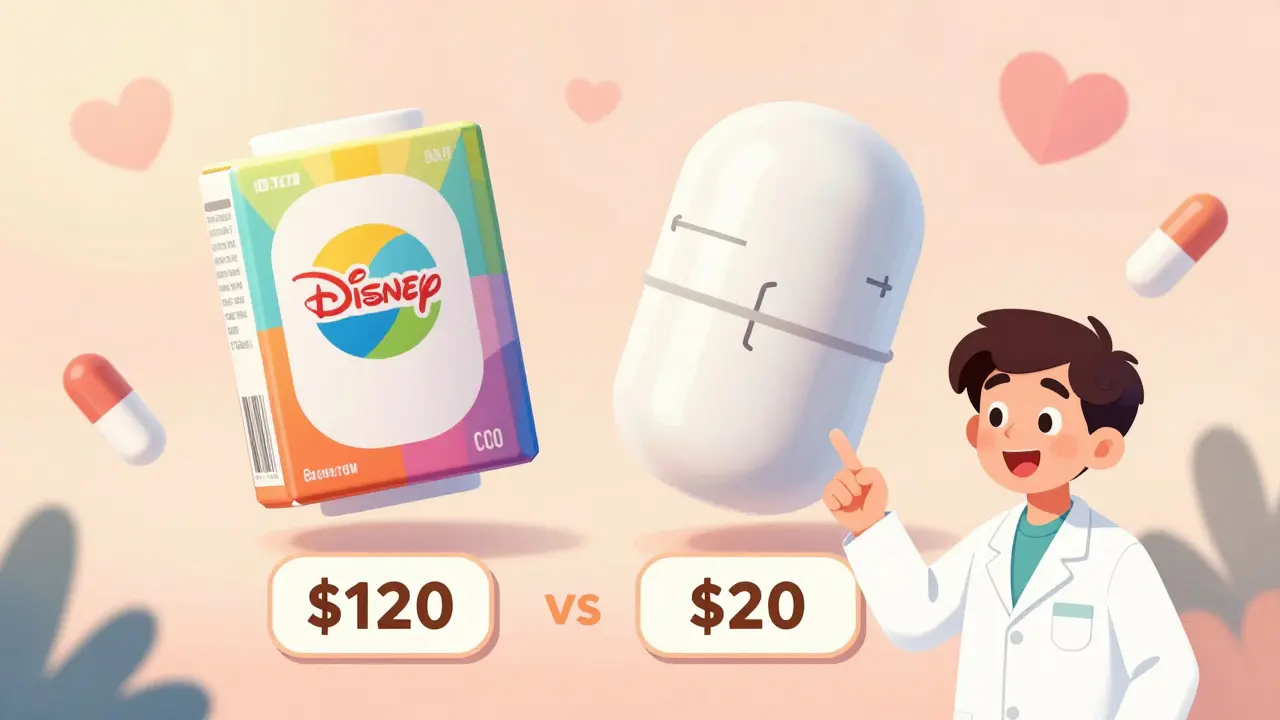
Generic drugs work just like brand-name ones but cost up to 85% less. Learn how they're made, why they're safe, and how to save money on prescriptions without sacrificing quality.

Generic drugs work just like brand-name ones but cost up to 85% less. Learn how they're made, why they're safe, and how to save money on prescriptions without sacrificing quality.
Opioid-induced itching affects up to 100% of patients receiving spinal morphine. Contrary to old beliefs, it's mostly caused by nerve pathways, not histamine. Learn what treatments actually work - and why antihistamines often fail.
Learn how to manage generic medication inventory effectively to cut costs, prevent stockouts, and improve patient trust. Real strategies used by independent pharmacies in 2026.
Learn the key differences between first- and second-generation antihistamines, including effectiveness, side effects, cost, and when to use each. Make smarter choices for managing allergies safely.
Learn about the most common antibiotics, how they work, their side effects, and how to use them safely to avoid resistance. Essential info for anyone prescribed antibiotics.
Generic drugs are not copies - they're scientifically proven equivalents that save patients up to 85% on medication costs. Learn the truth behind the myth and when generics are the best choice.
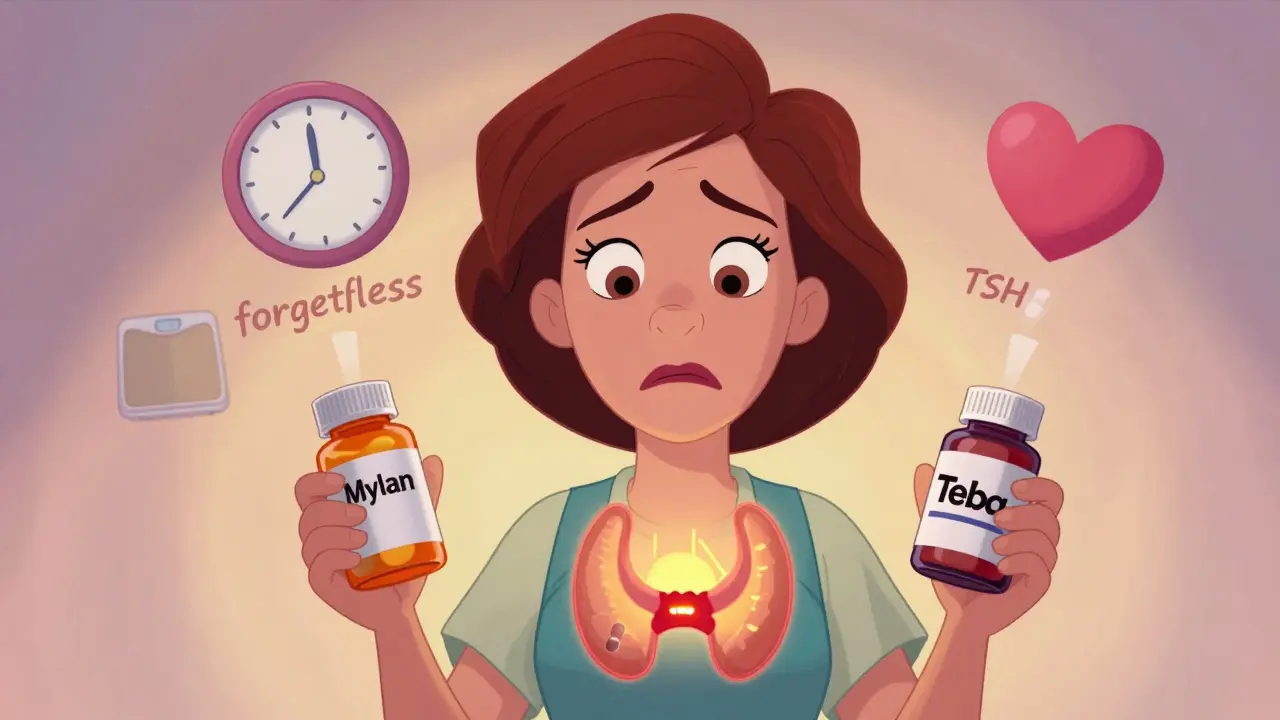
Switching levothyroxine generics can affect your TSH levels. Learn who needs monitoring after a switch, why some people react badly, and how to protect your thyroid health without overtesting.
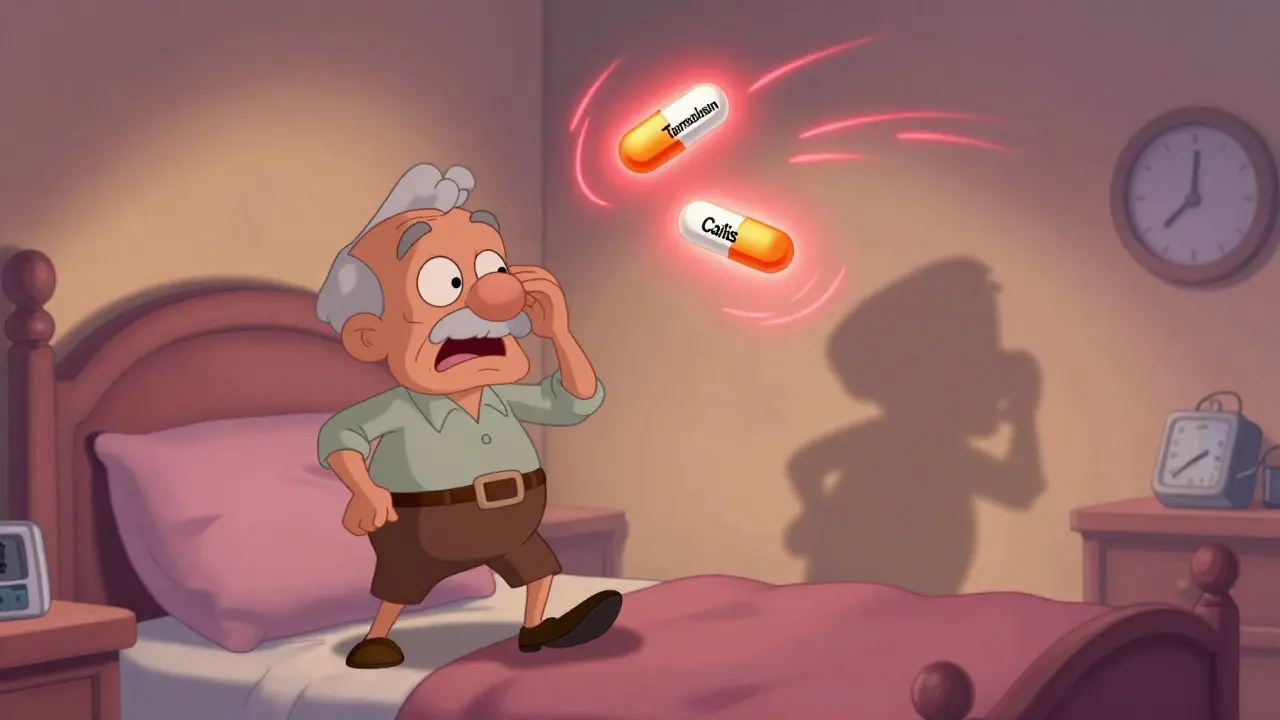
Combining alpha-blockers and PDE5 inhibitors can cause dangerous drops in blood pressure, leading to dizziness and fainting. Learn who’s at risk, how to use them safely, and what to do if you’ve already had a bad reaction.
Pharmacists support generic substitution to save patients money, but face resistance due to fear, misinformation, and lack of communication. Learn the real concerns behind the practice and what it means for patient care.
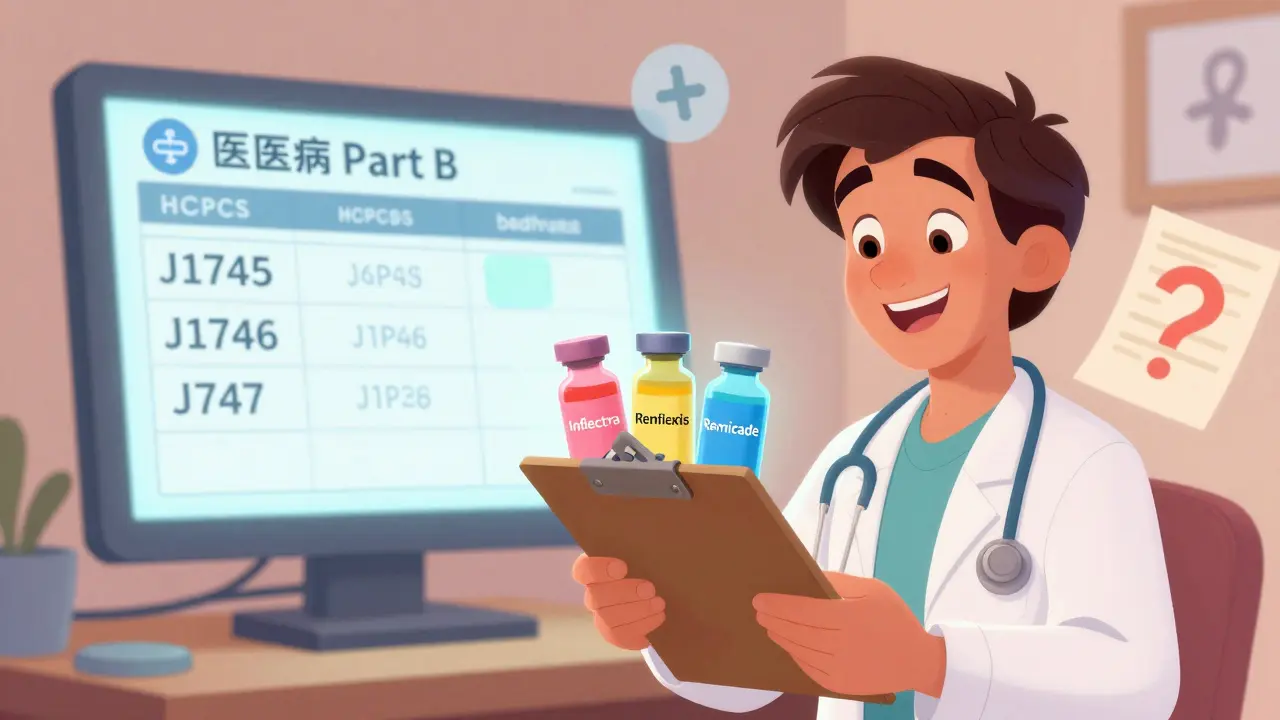
Learn how biosimilars are billed under Medicare Part B, including HCPCS codes, the 6% add-on payment, JZ modifier rules, and why reimbursement structures slow adoption compared to Europe.